

Czechoslovakia, once a significant player in European history, is no longer a sovereign state since its peaceful split into the Czech Republic and Slovakia in 1993. Understanding its geographical location, historical context, and cultural significance is essential for anyone interested in European history. This article will explore where Czechoslovakia was located, its historical evolution, and its lasting impact on Europe.
Geographical Location of Czechoslovakia
Czechoslovakia was situated in Central Europe, bordered by Poland to the north, Germany to the west, Austria to the south, and Hungary and Ukraine to the east. Its geographical position made it a crossroads for various cultures and influences over the centuries.
Major Regions
Czechoslovakia was composed of two main regions: Bohemia and Moravia in the west, and Slovakia in the east. Bohemia is known for its mountainous terrain and rich natural resources, while Moravia is characterized by fertile plains and a strong agricultural tradition. Slovakia features the High Tatra Mountains, providing stunning landscapes and outdoor recreational opportunities.
Historical Overview
Formation of Czechoslovakia
Czechoslovakia was established on October 28, 1918, following the collapse of the Austro-Hungarian Empire after World War I. The desire for independence was driven by both Czech and Slovak national movements seeking to create a unified state that represented their cultural identities.
Interwar Period
During the interwar years, Czechoslovakia enjoyed a period of economic growth and cultural flourishing. It became a democratic state, promoting social and educational reforms. The country developed a strong industrial base and was known for its progressive policies compared to other Central European nations.
World War II Impact
Czechoslovakia faced occupation during World War II when Nazi Germany invaded in 1939. This invasion led to the disintegration of the country, with its territories being annexed. The resistance movements during this time laid the groundwork for post-war regeneration.
Post-War Era and Communist Rule
After World War II, Czechoslovakia was reestablished but fell under Soviet influence, becoming a communist state in 1948. The regime was marked by political repression and economic challenges but also significant industrial development.
Velvet Revolution and Division
The Velvet Revolution of 1989 marked a peaceful transition from communism to democracy. The subsequent decade saw increasing tensions between the Czech and Slovak populations, leading to the peaceful split of Czechoslovakia into two independent nations on January 1, 1993.

Read more: Where is Czechoslovakia Located?
Cultural Significance
- Rich Cultural Heritage: Czechoslovakia was home to a rich tapestry of cultures, languages, and traditions. The Czech and Slovak cultures have significant differences and similarities, both contributing to the identity of the former state.
- Arts and Literature: Czechoslovakia produced many notable artists, writers, and filmmakers, including Franz Kafka and Miloš Forman. The cultural output during both the interwar period and the communist era has significantly influenced European art and literature.
- Festivals and Traditions: The country was known for its vibrant festivals, celebrating everything from folk traditions to contemporary arts. Events such as the Prague Spring Festival and various folk festivals showcased the region’s diverse cultural landscape.
Tourism in Czechoslovakia
Though Czechoslovakia no longer exists, its legacy lives on in the Czech Republic and Slovakia, which boast numerous attractions:
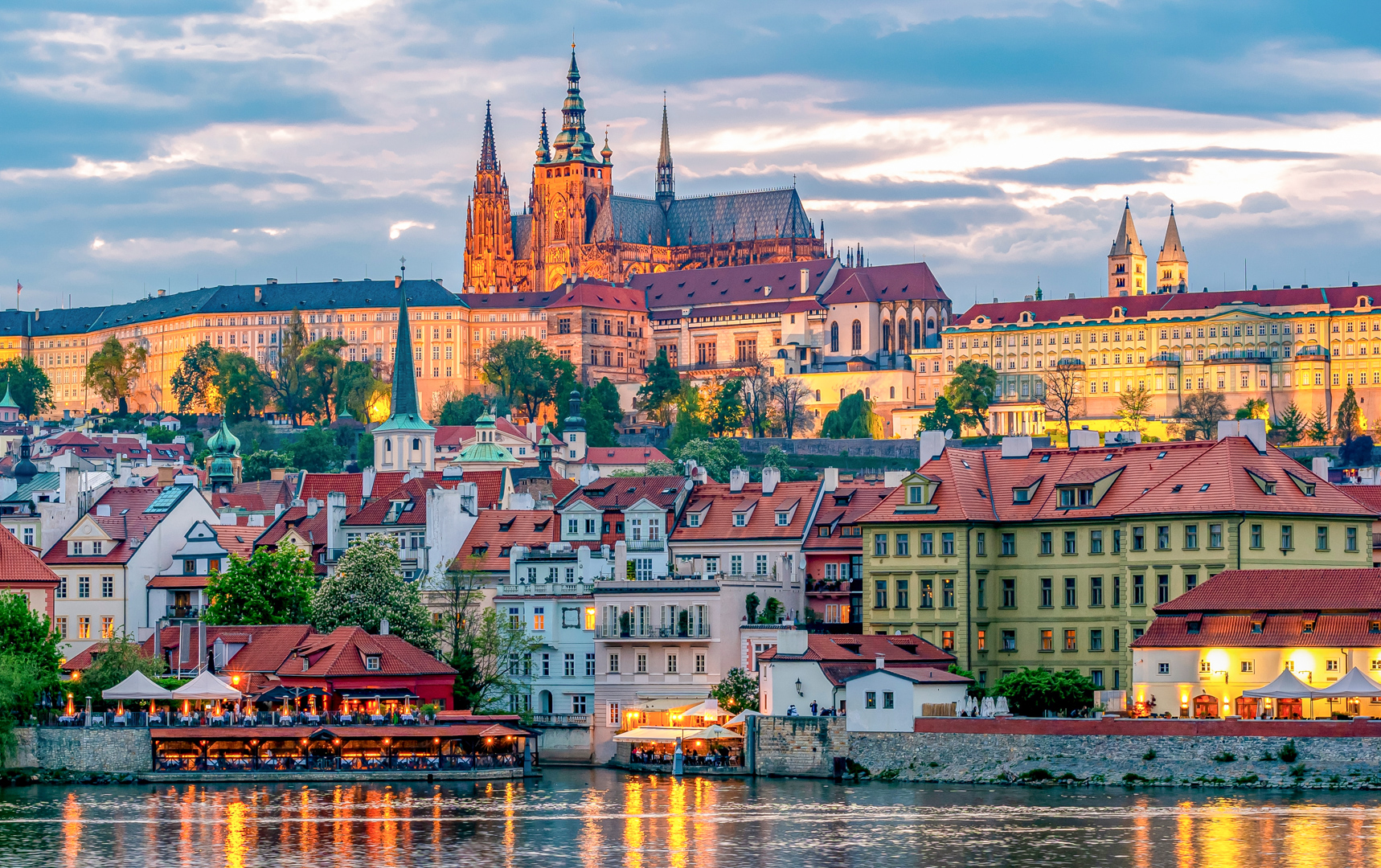
- Prague Castle: One of the largest ancient castles in the world, it offers stunning architecture and historical significance.
- Charles Bridge: A historic bridge adorned with statues, it connects Prague’s Old Town with the Lesser Town.
- Old Town Square: A historic square featuring the Astronomical Clock and vibrant atmosphere.
- Bratislava Castle: Overlooking the Danube, this castle is a symbol of Slovakia’s capital.
- Český Krumlov: A UNESCO World Heritage site known for its picturesque medieval architecture.
- Tatra National Park: A natural paradise for outdoor enthusiasts, offering hiking, skiing, and breathtaking views.

Read more: Where is the Republic of Lithuania Located ?
Activities for Visitors in the Czech Republic and Slovakia
The legacy of Czechoslovakia lives on through the rich offerings of its successor states, the Czech Republic and Slovakia. Visitors can enjoy a diverse range of activities that highlight the cultural, historical, and natural beauty of these countries. Here are some engaging activities for visitors:
Explore Historic Cities
Prague
- Walking Tours: Discover the charm of Prague through guided walking tours that cover significant landmarks such as Prague Castle, Charles Bridge, and the Old Town Square.
- River Cruises: Enjoy a scenic cruise on the Vltava River, offering unique views of the city’s architecture and bridges.
Bratislava
- Castle Visits: Explore Bratislava Castle for a glimpse into Slovakia’s history and stunning city views.
- Old Town Strolls: Wander through the cobblestone streets of the Old Town, filled with cafes, shops, and historical sites.
Cultural Experiences
Museums and Galleries
- National Museum (Prague): Learn about the natural history and cultural heritage of the Czech Republic.
- Slovak National Gallery (Bratislava): Explore a collection of Slovak and European art spanning centuries.
Festivals
- Prague Spring Festival: Attend this renowned classical music festival featuring performances by international artists.
- Folk Festivals: Participate in local folk festivals celebrating traditional music, dance, and crafts.
Outdoor Activities
Hiking and Nature
- Tatra National Park: Engage in hiking and mountaineering in the Tatra Mountains, known for their stunning landscapes and diverse wildlife.
- Bohemian Switzerland National Park: Discover unique rock formations, hiking trails, and picturesque viewpoints.
Winter Sports
- Skiing and Snowboarding: Visit popular ski resorts in the High Tatras and the Krkonoš Mountains during the winter months for skiing, snowboarding, and winter hiking.
Culinary Adventures
Traditional Cuisine
- Czech Food Tasting: Sample traditional dishes such as goulash, svíčková, and trdelník at local restaurants.
- Slovak Specialties: Try bryndzové halušky (potato dumplings with sheep cheese) and various pastries.
Brewery Tours
- Beer Tasting: Visit famous Czech breweries, such as Pilsner Urquell, to learn about the brewing process and taste world-renowned Czech beers.
Day Trips
Kutná Hora
- UNESCO World Heritage Site: Take a day trip to Kutná Hora to visit the famous Sedlec Ossuary and the stunning Gothic architecture of St. Barbara’s Church.
Český Krumlov
- Historic Exploration: Visit this picturesque town known for its medieval architecture, charming streets, and the Český Krumlov Castle.
Czechoslovakia was a significant part of European history, with a rich cultural and political legacy. Its geographical location made it a melting pot of cultures, and its historical journey reflects the complexities of Central European politics. Understanding Czechoslovakia’s past helps us appreciate the present-day Czech Republic and Slovakia, as both nations continue to thrive and evolve.
Read more:
What Is the Oldest Country in the World
What is the oldest city on Earth?
How many cities are there in the Kingdom of Saudi Arabia?
The Largest Cities in Canada Combine Modern Civilization and Stunning Nature