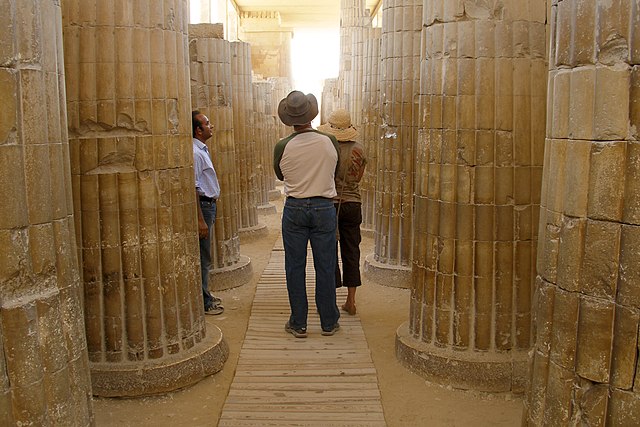


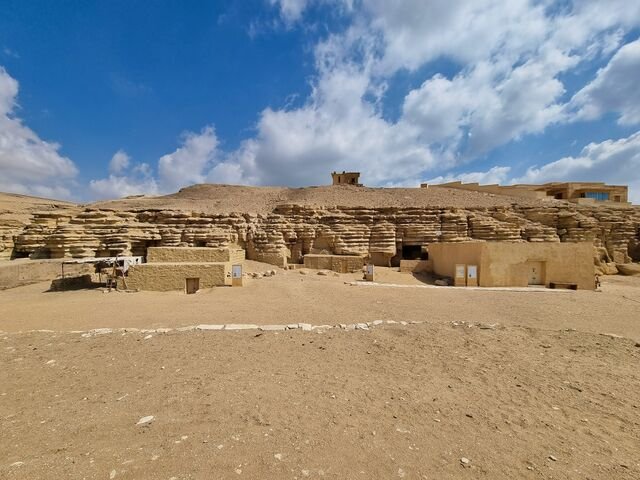
The sprawling necropolis of Saqqara, located about 30 kilometers south of Cairo, is far more than just an archaeological site; it is an open-air museum chronicling over 3,000 years of ancient Egyptian civilization. From its iconic Step Pyramid to its vividly decorated tombs and the countless treasures its sands continue to reveal, Saqqara remains a premier destination for archaeological missions and a source of news that consistently astonishes the world. This is your ultimate guide to exploring the history, secrets, and latest discoveries of Saqqara.
What is Saqqara? An Overview of Ancient Egypt’s Most Important Necropolis
Saqqara served as the primary necropolis for the ancient Egyptian capital of Memphis. Its use as a burial ground for royalty, nobles, high officials, and even sacred animals spanned from the First Dynasty all the way to the Roman period. Because of this long and diverse history, Saqqara was designated a UNESCO World Heritage Site as part of “Memphis and its Necropolis – the Pyramid Fields from Giza to Dahshur.” It is not merely a cemetery but a massive complex of pyramids, mastabas, funerary temples, and underground tombs.
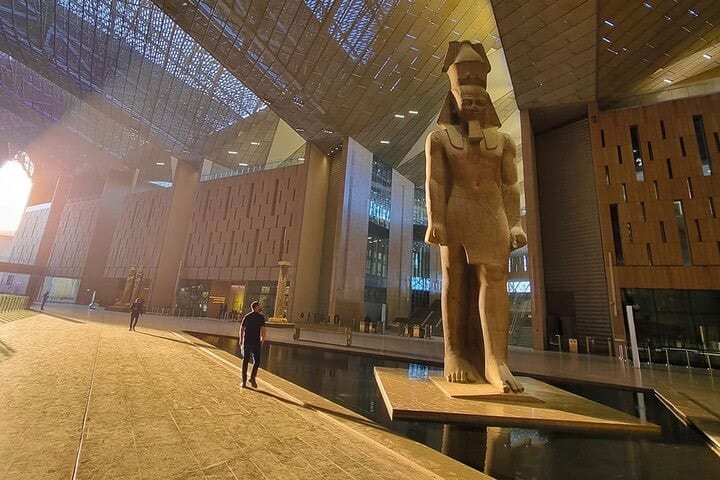
Read more” Grand Egyptian Museum: A New Era for Pharaonic Treasures
The Latest Discoveries at Saqqara That Astonished the World (2022-2025)
Recent years have witnessed a wave of unprecedented discoveries at Saqqara, refocusing global attention on the site. These finds offer exciting new evidence about funerary beliefs, daily life, and artistry in ancient Egypt.
The Mega-Discovery: Hundreds of Coffins and Bronze Statues
In a series of major announcements, the Egyptian Ministry of Tourism and Antiquities revealed several massive finds, including:
- Over 250 painted wooden sarcophagi in an exceptional state of preservation, dating back to the Late Period (around 500 BCE). Remarkably, these coffins were still sealed with their mummies intact inside.
- 150 bronze statues of ancient Egyptian deities, including Anubis, Osiris, Isis, Nefertum, and Hathor, along with a collection of bronze vessels used in religious rituals.
- A stunning bronze statue of the architect Imhotep, the builder of the Step Pyramid, reinforcing his legendary status in the region.
A Unique Papyrus and a Granite Sarcophagus
A one-of-a-kind papyrus scroll, the first to be found in Saqqara in over 100 years, was also unearthed. Measuring 16 meters in length, it contains texts from the “Book of the Dead.” After full restoration, it was put on display at the Egyptian Museum in Cairo. Additionally, a pink granite sarcophagus was found belonging to a high-ranking official named “Ptah-em-wia,” who was the head of the treasury during the reign of King Ramses II.
Tombs of Dignitaries and Mummification Workshops
The discoveries were not limited to coffins. They also included complete tombs of previously unknown individuals, such as the tomb of “Panehsy,” a supervisor of the Temple of Amun. Furthermore, archaeologists uncovered two complete mummification workshops—one for humans and another for animals—providing unprecedented practical insight into the complex mummification process and the materials used.
Read more” Egypt’s 15 Most Stunning Beaches You Didn’t Know About
A Journey Through Time The Most Famous Tombs and Monuments of Saqqara
The monuments at Saqqara are incredibly diverse, with each representing a different era, architectural style, and religious concept.
The Step Pyramid of Djoser: The Dawn of Stone Architecture
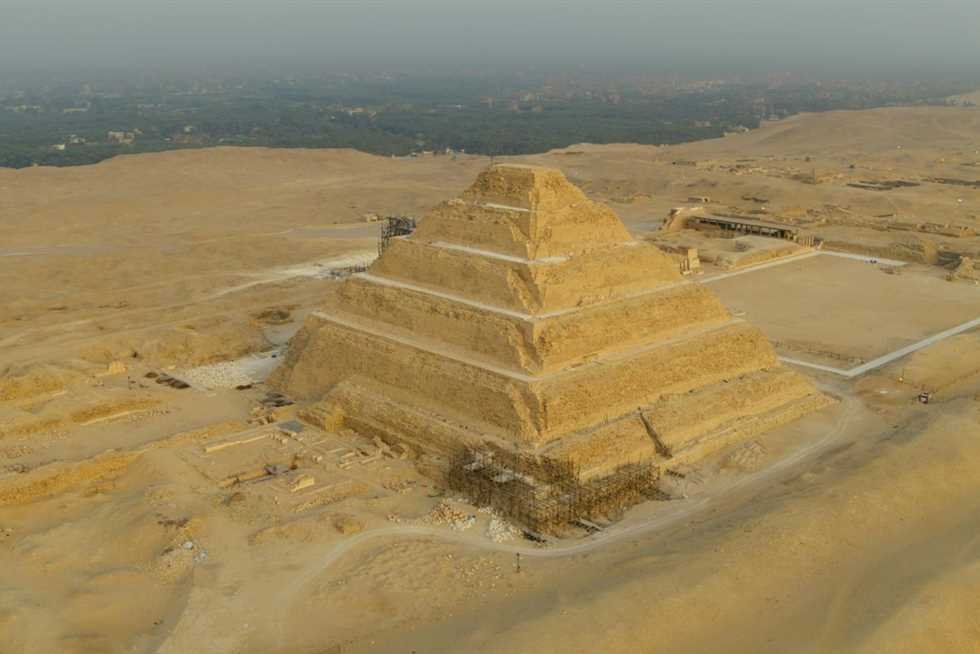
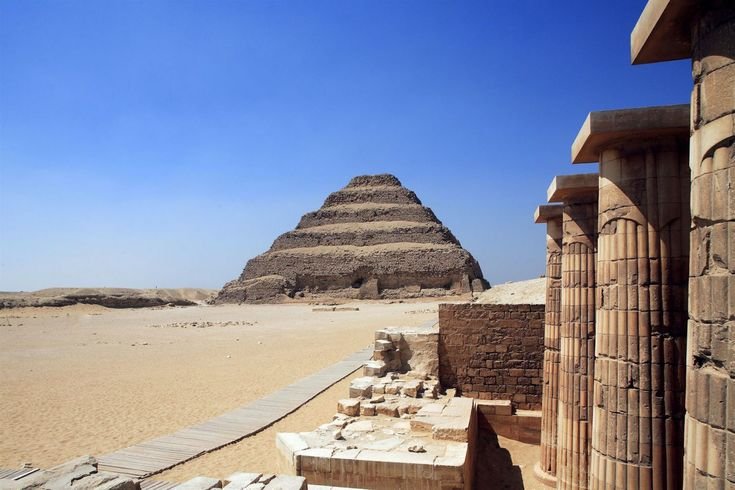
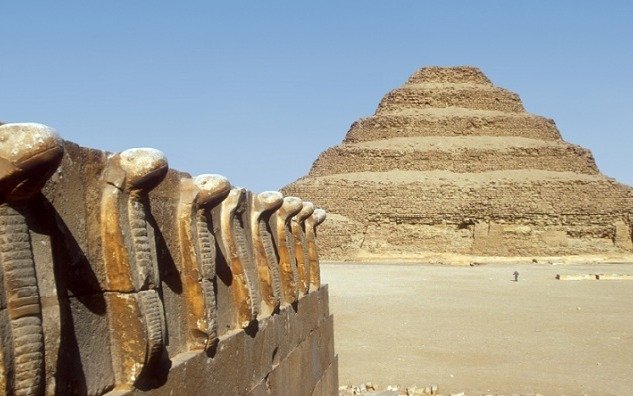
This is Saqqara’s most famous landmark and the oldest large-scale stone building in history. It was built by the brilliant vizier and architect Imhotep for King Djoser (circa 2686 BCE). The pyramid consists of six mastabas (rectangular tombs) stacked on top of each other, representing a revolution in architecture and funerary concepts as the Egyptians transitioned from mud-brick to stone on a massive scale.
Tombs of the Nobles and High Officials (Mastabas)
Saqqara contains some of the most beautiful tombs of nobles in all of Egypt, known as “mastabas.” These tombs, such as the Mastaba of Mereruka, the Mastaba of Kagemni, and the Mastaba of Ti, feature walls decorated with stunning, colorful reliefs depicting intricate details of daily life: farming, hunting, craftsmanship, and celebrations. These scenes are an invaluable source of social and economic information.
The Pyramid of Unas and the Pyramid Texts
Although the pyramid of King Unas (the last king of the Fifth Dynasty) appears modest from the outside, its burial chamber is of immense historical importance. Its walls are inscribed with the oldest known religious writings in the world, known as the Pyramid Texts. These spells and hymns were intended to help the king’s soul navigate its journey into the afterlife.
The Serapeum: The Mystery of the Sacred Apis Bulls
The Serapeum is one of Egypt’s most enigmatic sites. It is a vast network of underground tunnels built to house the tombs of the sacred Apis Bulls, which were believed to be manifestations of the god Ptah. Massive granite sarcophagi, each weighing over 70 tons, were used to bury the mummified bulls in grand ceremonies.
Cemeteries of Sacred Animals (The Bubasteion and Catacombs)
Beyond the Serapeum, Saqqara is famous for its vast catacombs dedicated to other sacred animals. The “Bubasteion” is the name given to the cat cemetery, where thousands of mummified cats offered to the goddess Bastet were discovered. There are also catacombs for falcons, ibises, and baboons.
Read more” The Top 15 Egyptian Bazaars for Unforgettable Shopping
Saqqara vs. Giza: Understanding the Key Differences
| Feature | Giza Plateau | Saqqara Necropolis |
| Primary Purpose | A royal necropolis mainly for Kings Khufu, Khafre, and Menkaure and their families. | A vast, comprehensive necropolis used for over 3,000 years by royalty, nobles, commoners, and animals. |
| Time Period | Peaked during the 4th Dynasty of the Old Kingdom. | In continuous use from the 1st Dynasty through the Roman period. |
| Main Monuments | The Great Pyramids (true pyramid shape) and the Great Sphinx. | The Step Pyramid (first pyramid), decorated mastabas, the Serapeum, and animal catacombs. |
| Diversity | Less diverse in terms of tomb types and historical periods. | Extremely diverse; a living museum of the evolution of Egyptian funerary architecture and art. |
Planning Your Visit: A Practical Guide to the Saqqara Site
If you plan to visit this incredible site, here are some practical tips:
- Opening Hours & Best Time to Visit: The site is typically open from early morning until the evening. The best time to visit is early in the morning to avoid the midday heat and crowds.
- Must-Sees: Don’t miss the Step Pyramid of Djoser complex, entering the Pyramid of Teti or Unas to see the Pyramid Texts, exploring the Mastaba of Mereruka, and visiting the excellent Imhotep Museum at the entrance.
- Visitor Tips: Wear comfortable shoes, as you will be walking a lot on sandy and uneven ground. Bring plenty of water, a hat, and sunscreen. Hiring a knowledgeable tour guide is highly recommended to explain the history and significance of the different sites.
Read more” 9 Best Spots for Diving in Egypt An Unforgettable Adventure
The Future of Saqqara What Do the Sands Still Hide?
Archaeologists believe that what has been discovered at Saqqara so far is only a small fraction of what still lies hidden beneath the sand. As Egyptian and international missions continue their work, Saqqara is expected to keep revealing new discoveries that could rewrite entire chapters of ancient Egyptian history.
Saqqara is not just a city of the dead; it is a city of eternal life, pulsating with secrets, art, and faith. Every coffin opened and every inscription uncovered is a new voice from the past, telling us more about this magnificent civilization. It is truly Egypt’s inexhaustible treasure and will forever stand as a timeless testament to the genius of the ancient Egyptians.