


New Zealand, known for its breathtaking landscapes, welcoming communities, and high quality of life, is a popular destination for expatriates, travelers, and adventure seekers alike. However, like any country, living in New Zealand comes with its own set of advantages and challenges. In this article, we will delve into the key pros and cons of living in New Zealand, covering aspects such as cost of living, healthcare, culture, job opportunities, and the country’s natural beauty. This guide aims to provide a comprehensive overview to help you decide whether New Zealand is the right place for you.
Pros of Living in New Zealand
New Zealand, often referred to as “God’s own country,” is a land of extraordinary beauty, rich cultural heritage, and a high standard of living. Its diverse landscapes, ranging from serene beaches to majestic mountains, provide an idyllic backdrop for those seeking a balanced lifestyle. With its reputation for safety, strong community spirit, and excellent healthcare, New Zealand has become a top destination for expatriates and travelers alike. However, like any place, it comes with its own set of challenges. In this section, we will explore the key advantages that make New Zealand an attractive destination to live, providing you with insights into why so many people choose to call this beautiful country home.
Breathtaking Natural Beauty
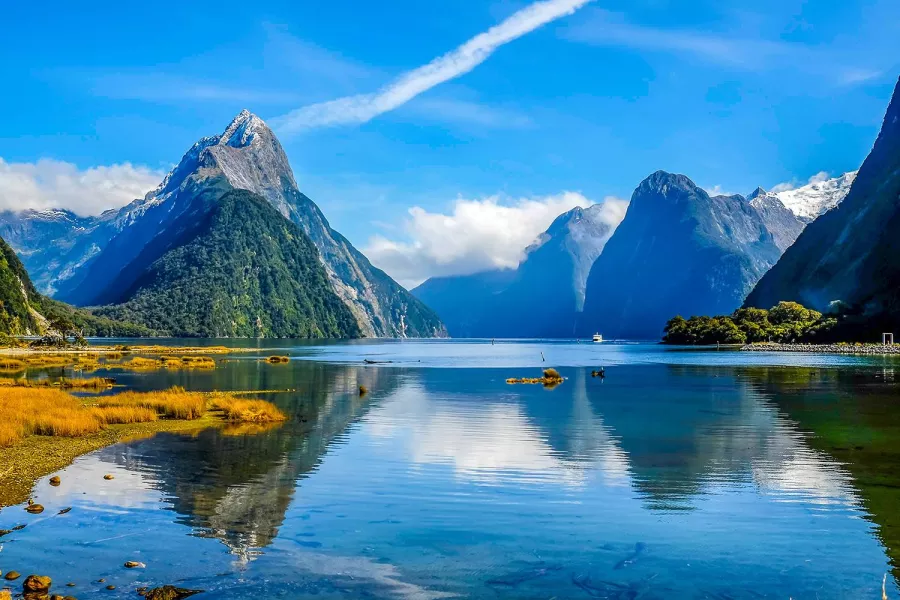
New Zealand is renowned for its stunning landscapes, which include dramatic mountains, pristine beaches, lush forests, and rolling farmland. The country’s natural beauty offers countless opportunities for outdoor enthusiasts to explore. Whether you’re hiking through the Southern Alps, relaxing on a secluded beach, or kayaking through crystal-clear lakes, New Zealand provides endless ways to connect with nature. Here’s what makes New Zealand’s natural environment stand out:
- Diverse Landscapes: From the tropical islands in the north to the snow-capped mountains in the south, New Zealand offers a variety of climates and terrains that appeal to all kinds of adventurers.
- Outdoor Activities: The country is a paradise for people who love outdoor activities like hiking, skiing, surfing, and mountain biking. National parks and protected areas are easily accessible, allowing for easy exploration.
- Clean Environment: New Zealand is known for its pristine environment and commitment to sustainability. Its air quality, water purity, and overall environmental standards make it an ideal place for those who value clean living.
High Quality of Life
New Zealand ranks highly in global quality-of-life indices, offering a balanced lifestyle, excellent healthcare, and a safe living environment. Some of the key factors contributing to the country’s high quality of life include:
- Work-Life Balance: New Zealand’s culture emphasizes a healthy work-life balance. The standard workweek is typically 40 hours, with generous vacation time (around four weeks per year), allowing people to enjoy leisure activities and family time.
- Low Crime Rate: New Zealand is consistently ranked as one of the safest countries in the world. Crime rates are low, and the sense of community is strong. People generally feel secure, even in larger cities.
- Healthcare System: New Zealand offers a publicly funded healthcare system that provides residents with access to affordable medical services. Private healthcare options are also available for those seeking quicker access or specialized treatments.
Welcoming and Friendly Culture
New Zealanders, known as “Kiwis,” are famous for their friendliness and hospitality. The country has a relaxed and informal atmosphere, which makes it easy for newcomers to settle in. Kiwis are generally open to meeting people from different backgrounds and cultures, and there are many expatriate communities throughout the country. Here’s why the culture in New Zealand is so welcoming:
- Diverse Population: New Zealand is home to people from various ethnicities, including Māori, Pākehā (New Zealand European), Pacific Islanders, and immigrants from Asia and Europe. This multicultural environment fosters inclusivity and promotes cultural exchange.
- Community Spirit: There is a strong sense of community in New Zealand, whether in rural towns or urban areas. People are often willing to lend a helping hand, making it easier for newcomers to adjust.
Education System
New Zealand boasts a strong education system, offering excellent opportunities for children and adults alike. The country’s education system is based on high standards, and its universities are internationally recognized. Some benefits include:
- Free Primary and Secondary Education: New Zealand provides free public education for children between the ages of 5 and 19. This ensures that children have access to quality education without the burden of tuition fees.
- Higher Education: New Zealand has several universities that rank among the best in the world, such as the University of Auckland and Victoria University of Wellington. The country attracts students from all over the world, and its education system is known for its high standards and emphasis on practical skills.
Strong Economy and Job Opportunities
New Zealand’s economy is stable, with key industries including agriculture, tourism, technology, and manufacturing. The country has a relatively low unemployment rate, and the government supports innovation and entrepreneurship. Here are some highlights:
- Job Market: New Zealand offers job opportunities in a variety of sectors, especially in technology, healthcare, engineering, and agriculture. The country is also known for offering opportunities for remote work, making it attractive for digital nomads.
- Entrepreneurship: New Zealand fosters an entrepreneurial spirit with a relatively simple process for setting up businesses. The government offers support for startups and small businesses, and the country ranks high for ease of doing business.

Read more” What is the oldest city on Earth?
Cons of Living in New Zealand
While New Zealand offers a high quality of life and stunning natural beauty, it is not without its challenges. For all its advantages, living in New Zealand comes with certain drawbacks that potential expatriates and residents should consider. The high cost of living, especially in major cities, along with the country’s geographical isolation, can present obstacles for those looking to settle in. Additionally, while New Zealand offers a laid-back lifestyle, some may find the pace of life slower than what they are used to in more bustling environments. In this section, we’ll examine the main disadvantages of living in New Zealand, helping you make an informed decision about whether this country is the right fit for you.
High Cost of Living
While New Zealand offers a high quality of life, it comes with a relatively high cost of living, especially in the major cities. Housing is one of the largest expenses, and prices have been rising in recent years. Some challenges include:
- Housing Costs: The cost of buying or renting a home in cities like Auckland, Wellington, and Christchurch can be expensive. Rent for a one-bedroom apartment in Auckland city center can be as high as NZD 1,800 per month, while home prices have also increased significantly in recent years.
- Groceries and Services: While food and services are generally affordable, some items, particularly imported goods, can be expensive. As a result, budgeting is important for expatriates, especially those living in larger cities.
- Transportation: Public transportation options are available in cities, but New Zealand’s reliance on cars for travel means that owning a vehicle is often necessary, leading to additional costs for fuel, maintenance, and insurance.
Geographic Isolation
New Zealand’s remote location in the South Pacific Ocean can be both an advantage and a disadvantage. While its isolation has allowed for a unique culture and pristine environment, it can also create some challenges:
- Travel Distance: Traveling to and from New Zealand can be expensive and time-consuming, especially for those coming from North America or Europe. The long flight durations and high airfare prices can be a barrier for some people who wish to visit family or travel frequently.
- Limited Access to International Goods: While New Zealand offers most products and services, some specialized goods or international brands may be difficult to find, and those that are available can come at a premium price.
Limited Public Transportation in Rural Areas
While public transport is available in major cities, New Zealand’s rural areas are often under-served when it comes to transportation. For those living outside the main cities, owning a car becomes almost essential. This limitation can be inconvenient, especially for people who prefer not to drive.
Limited Career Progression in Certain Industries
While New Zealand offers job opportunities in various sectors, some industries may have limited room for career progression. For expatriates in highly specialized fields or those used to fast-paced work environments, the job market in New Zealand may feel slower or more restrictive. The relatively small size of the country means that some industries do not have the same level of competition and opportunity as larger countries.
Weather Challenges
Although New Zealand boasts a generally mild climate, it can be challenging for those who are used to consistent weather patterns. The country experiences a range of climates due to its geographical location, which can sometimes lead to:
- Frequent Rain: The west coast of New Zealand is particularly known for its rainfall, and some regions experience rainy weather throughout the year. This can be a downside for those who prefer sunnier, dry climates.
- Cold Winters: While New Zealand generally enjoys mild winters, certain areas, especially in the South Island, can experience cold temperatures and snowfall. For those used to warmer climates, this may be a challenging adjustment.
Living in New Zealand offers numerous benefits, from its stunning landscapes and high quality of life to its welcoming culture and strong economy. However, it’s important to consider the potential challenges, such as the high cost of living, geographic isolation, and limited public transportation in rural areas. By weighing these pros and cons, you can make an informed decision about whether New Zealand is the right place for you to live and thrive.
Read more” Living in Colombia