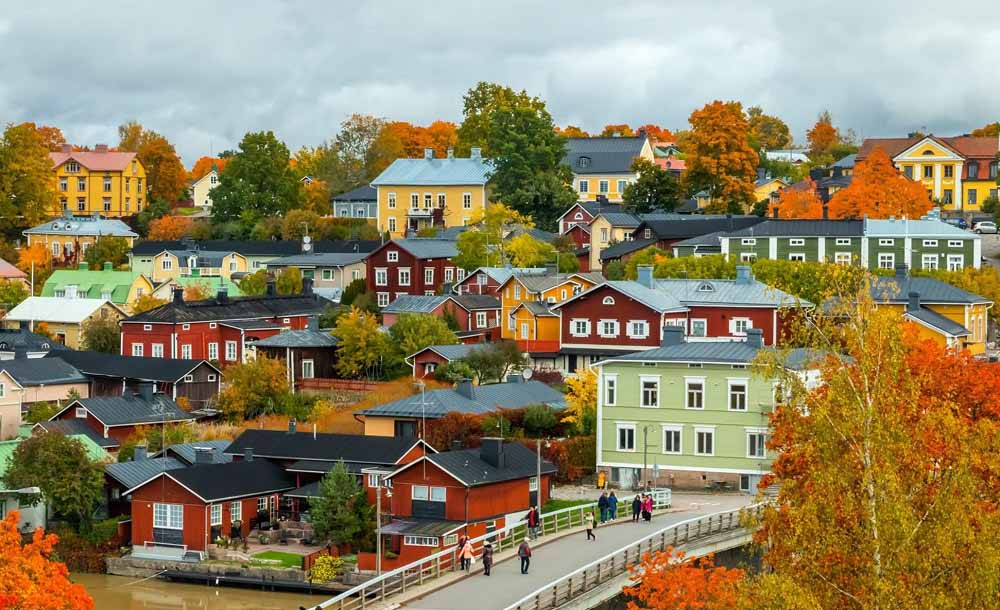

Finland, often ranked as one of the happiest countries in the world, is known for its exceptional quality of life, beautiful landscapes, and innovative society. With a rich history, excellent education system, and a strong commitment to social welfare, Finland is an attractive destination for expatriates and those looking to embrace a Scandinavian lifestyle. However, like any country, there are challenges to consider when deciding to live there. In this article, we will explore the pros and cons of living in Finland, providing insights into what makes the country both a desirable and challenging place to live.
Pros of Living in Finland
Finland, often celebrated for its natural beauty, innovative society, and high standard of living, has earned its reputation as one of the best places to live in the world. With its clean environment, exceptional public services, and welcoming culture, Finland offers an ideal setting for those seeking a balanced and fulfilling lifestyle. From world-class education to stunning landscapes, the country offers a unique blend of modernity and tradition. However, like any place, there are challenges that come with living in Finland. In the following section, we will explore the key advantages of living in this Scandinavian gem, highlighting what makes Finland an attractive destination for expatriates and locals alike.
High Quality of Life
Finland is renowned for its high quality of life, which is supported by its excellent public services, safety, and social welfare systems. Some of the key aspects that contribute to the high standard of living include:
- Safety and Low Crime Rates: Finland consistently ranks among the safest countries in the world. Crime rates are low, and the overall sense of security is high, making it an ideal place to live, particularly for families.
- Free Public Services: Finland provides free public services, including education and healthcare, which significantly reduce the cost of living. This is one of the main reasons why Finland is so attractive to expatriates.
- Clean and Sustainable Environment: Finland is known for its commitment to sustainability and environmental protection. The air is clean, the water is fresh, and there are strict regulations to ensure the preservation of natural resources. This clean environment is a huge draw for those who prioritize living in eco-friendly surroundings.
Excellent Education System
Finland’s education system is widely regarded as one of the best in the world. It focuses on equality, creativity, and student well-being. Here are some key features:
- Free Education: Public education is free for residents, including university education (for Finnish and EU citizens). This ensures that every child has equal access to quality education.
- High International Rankings: Finnish schools consistently rank among the top in global education assessments. The focus on personalized learning and well-being helps children thrive academically and socially.
- Innovative Learning Approaches: Finnish schools emphasize creativity, critical thinking, and life skills, rather than rote memorization. This progressive approach prepares students for a future of innovation and problem-solving.
Beautiful Natural Landscapes
Finland is known for its stunning natural beauty, offering a variety of outdoor activities and breathtaking landscapes. Whether you enjoy the tranquility of lakes or the excitement of the Northern Lights, Finland has it all:
- Lakes and Forests: Finland is often referred to as the “Land of a Thousand Lakes,” with over 188,000 lakes spread across the country. These lakes are surrounded by vast forests, making Finland a haven for outdoor enthusiasts who love hiking, fishing, and boating.
- Northern Lights: Finland offers one of the best views of the Northern Lights, particularly in the Lapland region. Watching the aurora borealis is a magical experience, attracting both locals and tourists alike.
- Winter Sports: Finland is famous for its winter activities, including skiing, snowboarding, and ice skating. The long winters and snowy landscapes make it an ideal destination for those who love winter sports.
Strong Economy and Job Opportunities
Finland has a robust and stable economy, with a strong focus on innovation and high-tech industries. Key economic sectors include technology, manufacturing, forestry, and clean energy. The benefits include:
- Job Security: Finland offers a high level of job security, particularly in the public sector, which is known for its stability. The country’s low unemployment rate and strong labor laws provide a sense of job security for residents.
- Opportunities in Technology: Finland is home to major global tech companies like Nokia and Rovio, and the startup ecosystem is thriving, especially in cities like Helsinki. If you have skills in IT, design, or engineering, Finland can provide plenty of opportunities for career advancement.
- Fair Wages: Finland offers competitive wages, with a strong focus on equal pay and workers’ rights. The salary and working conditions ensure that employees maintain a high standard of living.
Social Welfare System
Finland has one of the most comprehensive and well-structured social welfare systems in the world, ensuring that its residents are well taken care of. Some of the key benefits include:
- Healthcare: Finland provides universal healthcare to all residents, including free or low-cost medical treatment. This ensures that everyone has access to quality healthcare without the financial burden.
- Parental Leave: Finland offers generous parental leave, which includes paid maternity and paternity leave. This allows parents to spend time with their children without worrying about financial stability.
- Pensions and Social Support: Finland has a well-established pension system, ensuring that residents are supported during their retirement years. The country also provides various forms of social assistance to those in need.

Read more” What is the oldest city on Earth?
Cons of Living in Finland
While Finland is renowned for its high quality of life, stunning landscapes, and excellent public services, it does come with its own set of challenges. The country’s unique climate, high cost of living, and language barriers can pose difficulties for newcomers. In the following section, we’ll examine some of the downsides of living in Finland, offering a balanced perspective on what life in this beautiful Nordic country truly entails. These factors will help you make an informed decision about whether Finland is the right place for you to live and thrive.
High Cost of Living
While Finland offers a high standard of living, it also comes with a relatively high cost of living, especially in cities like Helsinki. Some of the challenges include:
- Housing Costs: Rent and property prices in Finland can be expensive, particularly in the capital city, Helsinki. The high demand for housing in urban areas can make finding affordable accommodation challenging.
- Grocery Prices: Food prices in Finland are higher than in many other countries. While the quality of food is excellent, the cost of groceries, especially for imported goods, can add up quickly.
- Utilities and Taxes: Finland has relatively high taxes, which fund the country’s extensive public services. While this is beneficial for residents in many ways, it can also mean that more of your income goes toward taxes and utilities.
Harsh Winter and Limited Daylight
The Finnish climate, particularly in the winter months, can be a challenge for some people:
- Long, Dark Winters: Finland experiences long winters with limited daylight, especially in the northern regions. In cities like Helsinki, there are only a few hours of daylight during the winter months, which can lead to seasonal affective disorder (SAD) for some people.
- Cold Temperatures: Winters in Finland can be extremely cold, with temperatures often dipping well below freezing. For those not accustomed to cold climates, this can be a significant adjustment.
- Limited Outdoor Activities in Winter: While winter sports are popular, some people may find the cold and snow limiting in terms of outdoor activities during the extended winter season.
Language Barrier
Although many Finns speak English, especially in urban areas, the Finnish language can be a barrier for non-native speakers:
- Difficult Language: Finnish is known for being a complex and challenging language to learn, with a completely different structure from most European languages. While English is widely spoken, proficiency in Finnish is often required for jobs in many sectors and for full integration into society.
- Social Integration: Non-Finnish speakers may find it harder to integrate into Finnish society, particularly in rural areas where English is not as widely spoken. Learning the language is essential for building deeper social connections and advancing in your career.
Small Population and Limited Social Scene
Finland has a relatively small population, and the social scene can be quieter compared to larger countries:
- Limited Social Opportunities: While there are plenty of cultural activities in cities, the social life in Finland can sometimes feel subdued. The smaller population means fewer social events and networking opportunities, especially in rural areas.
- Reserved Nature of Finns: Finns are often described as reserved and private people. While they are incredibly friendly once you get to know them, the initial interactions can be more formal and less open than in other cultures, which might feel distant for newcomers.
Geographic Isolation
Finland’s location in Northern Europe, far from other major European cities, can lead to a sense of isolation:
- Long Travel Times: Traveling to other European countries or internationally can take longer and be more expensive than from other central European locations. This may be a downside for people who prefer frequent travel or need to be closer to family and friends abroad.
- Limited Cultural Influence: While Finland is a unique and beautiful country, its geographic isolation means there may be fewer cultural events or international influences compared to more cosmopolitan cities.
Living in Finland offers numerous advantages, including its high quality of life, exceptional education system, beautiful landscapes, and strong social welfare. However, challenges such as the high cost of living, harsh winters, and language barriers should be carefully considered. Finland is ideal for those who value a peaceful, high-functioning society and who are prepared to adjust to its unique climate and cultural dynamics. By weighing the pros and cons, you can determine if Finland is the right place for your next chapter.

Read more”
Pros and Cons of Living in New Zealand