
Egypt’s bazaars are more than just shopping destinations—they are living museums, vibrant social hubs, and gateways to the country’s rich history and culture. From the labyrinthine alleys of Cairo’s Khan El Khalili to the colorful Nubian markets of Aswan, each bazaar offers a unique blend of sights, sounds, and scents. This comprehensive guide explores the top 15 Egyptian bazaars, delving into their history, cultural significance, must-buy items, and practical tips for an unforgettable shopping experience.
Khan El Khalili Bazaar (Cairo)
History and Atmosphere
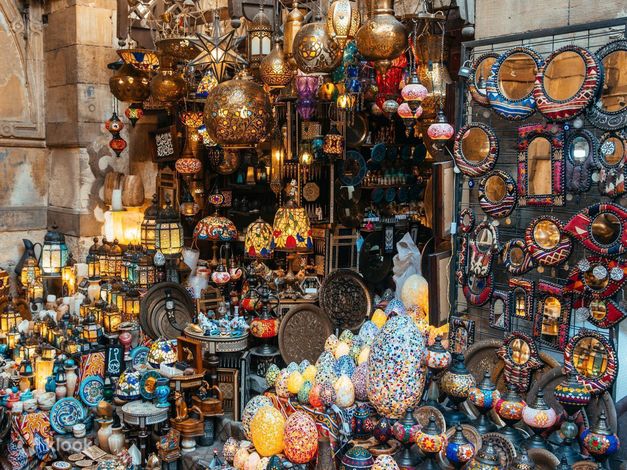
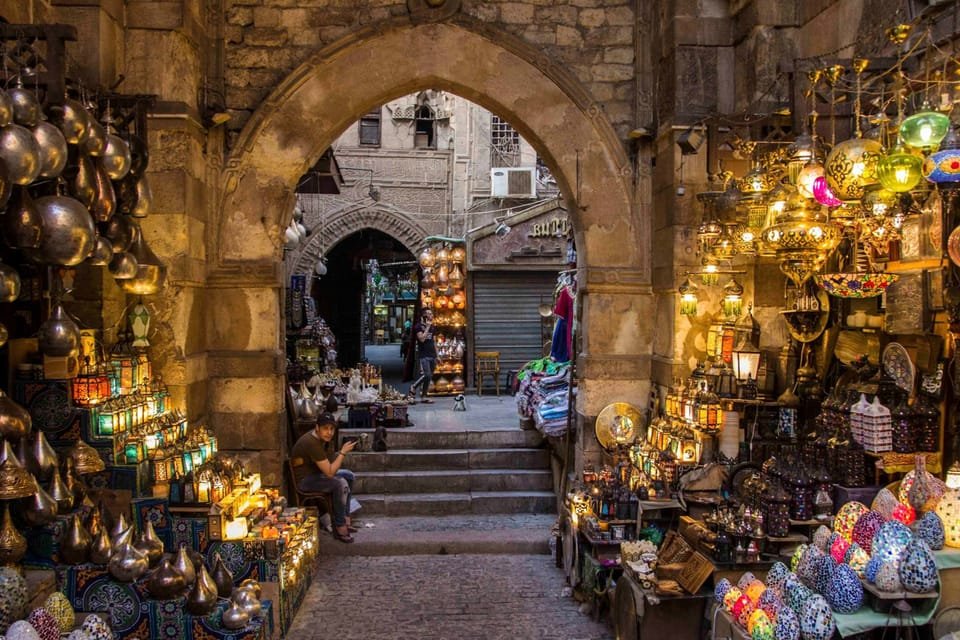
Khan El Khalili is Egypt’s most iconic bazaar, established in the 14th century by Emir Djaharks El-Khalili during the Mamluk era. Originally a caravanserai for traders, it evolved into a bustling marketplace at the heart of Islamic Cairo, near Al-Azhar Mosque and Al-Hussein Mosque. The bazaar’s winding alleys, medieval architecture, and vibrant energy make it a must-visit for any traveler.
What to Buy
- Handcrafted gold and silver jewelry inspired by ancient Egyptian motifs
- Perfumes and essential oils in ornate glass bottles
- Spices such as saffron, cumin, and hibiscus
- Traditional lamps, glassware, and brassware
- Textiles and embroidered garments
- Papyrus art and souvenirs
Shopping Tips
-
- Bargaining is expected—never accept the first price.
- Visit early in the morning or late afternoon to avoid crowds.
- Enjoy a break at the historic Café El Fishawi, serving tea and coffee for over 200 years.
Read more” The World’s Most Fascinating Historical Cities
Al-Fustat Market (Cairo)
History and Significance
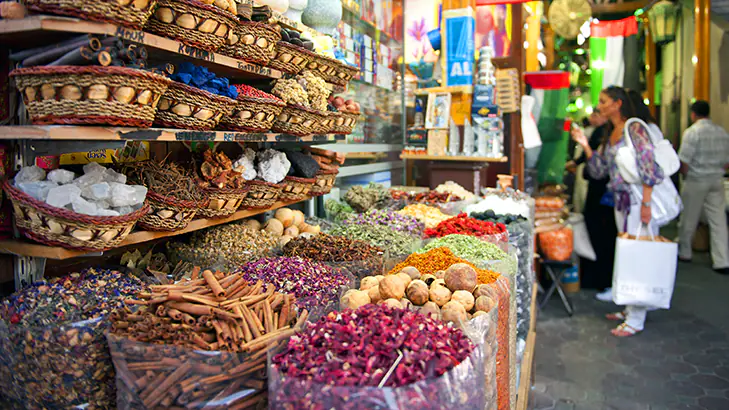
Located in Old Cairo, Al-Fustat Market dates back to the 7th century and is renowned for its role in preserving traditional Egyptian crafts. The market is adjacent to Coptic Cairo’s churches and museums, making it a cultural hotspot.
What to Buy
- Handmade ceramics and pottery
- Traditional textiles and garments
- Leather goods and accessories
- Glassware and decorative items
Insider Tips
- Wear comfortable shoes; the market’s pathways can be uneven.
- Bring cash, as many vendors do not accept cards.
- Don’t miss the local street food stalls for an authentic taste of Egypt.
Read more” 9 Best Spots for Diving in Egypt An Unforgettable Adventure
El-Khayamiya (Street of the Tentmakers, Cairo)
Unique Features
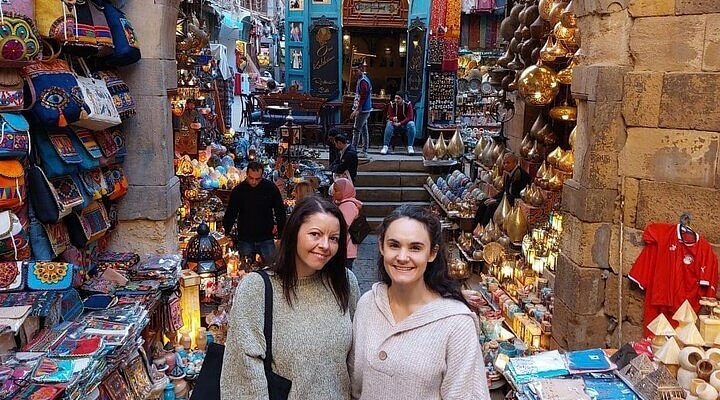
El-Khayamiya is a covered market specializing in traditional Egyptian appliqué textiles known as “khayamiya.” The craft dates back centuries and is used for tents, wall hangings, and ceremonial decorations.
What to Buy
- Colorful khayamiya wall hangings
- Hand-stitched textiles and tablecloths
- Custom-made fabric art
Experience
- Watch artisans at work, preserving a centuries-old craft.
- The market is less crowded than Khan El Khalili, offering a more relaxed shopping experience.
Read more” Top 9 Most Relaxing Destinations in Egypt for a Serene Escape
El-Ataba Market (Cairo)
Overview
El-Ataba is one of Cairo’s largest and busiest markets, famous for its affordable prices and wide variety of goods. It’s a favorite among locals for everyday shopping.
What to Buy
- Clothing and shoes
- Household goods and electronics
- Fabrics and accessories
Tips
- Be prepared for crowds and a lively, sometimes chaotic atmosphere.
- Ideal for bargain hunters and those seeking authentic Egyptian street shopping.
Souq Al-Sagha (Gold Market, Cairo)
Highlights
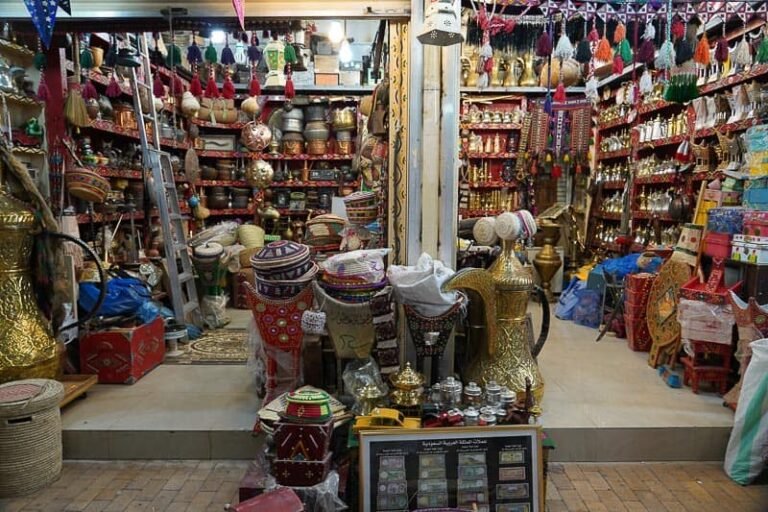
Located near Khan El Khalili, Souq Al-Sagha is the go-to destination for gold and jewelry shopping. The market is lined with shops offering exquisite gold pieces at competitive prices.
What to Buy
- Gold and silver jewelry
- Precious stones and custom designs
Tips
- Gold is sold by weight; check the current market price before purchasing.
- Always request a certificate of authenticity for high-value items.
Read more” 5 Reasons to Visit Egypt At Least Once
Wekalet El Balah (Cairo)
Overview
Wekalet El Balah is a historic market specializing in textiles, fabrics, and clothing. It’s a favorite among designers and bulk buyers.
What to Buy
- Wholesale fabrics and textiles
- Traditional garments and accessories
- Handmade carpets and rugs
Experience
- The market is a hub for tailors and fashion enthusiasts.
- Prices are negotiable, especially for bulk purchases.
Souq Al-Gomaa (Friday Market, Cairo)
Unique Features
Souq Al-Gomaa is a sprawling flea market open only on Fridays. It’s a treasure trove for antique lovers, offering everything from vintage furniture to rare collectibles.
What to Buy
- Antiques and vintage items
- Second-hand goods and curiosities
- Rare books and memorabilia
Tips
- Arrive early for the best finds.
- Be prepared to haggle and inspect items carefully.
Aswan Souk (Aswan)
Nubian Influence
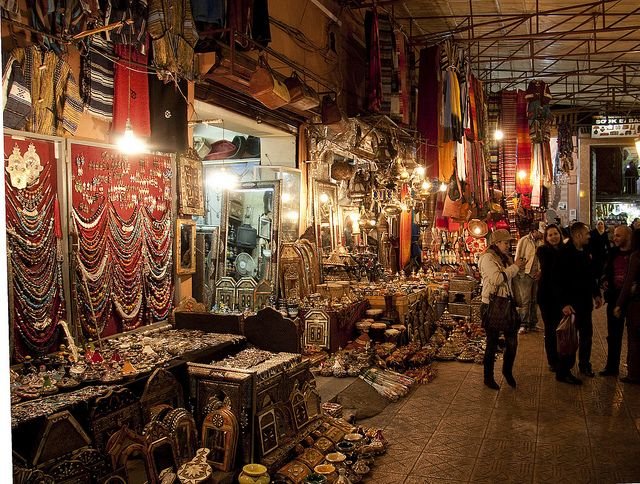
Aswan Souk is renowned for its Nubian heritage, reflected in the products and the market’s vibrant atmosphere. The market stretches along Sharia as-Souq and is a cultural highlight of southern Egypt.
What to Buy
- Nubian handicrafts and beadwork
- Handwoven baskets and pottery
- Natural loofahs, henna, and spices
- Brightly colored textiles
Experience
- Engage with vendors to learn about Nubian culture.
- Try local delicacies like hibiscus tea and traditional bread.
Read more” Desert Safari in Egypt: Journey into the Sands
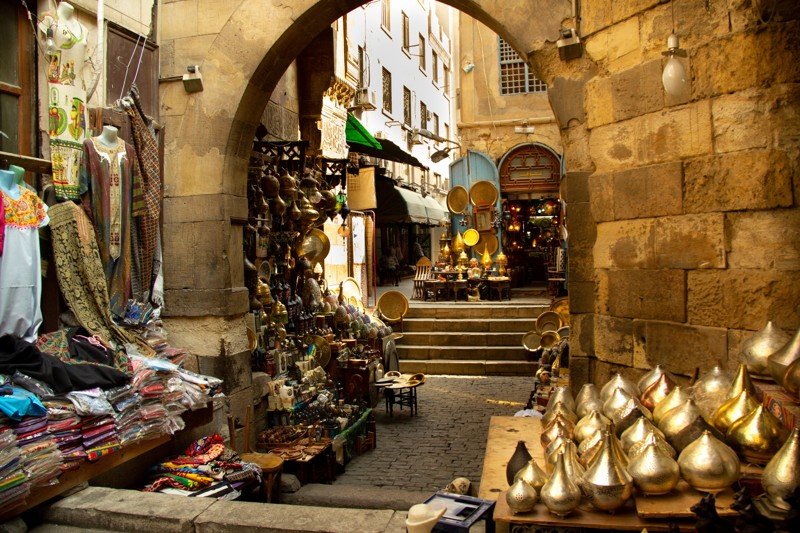
Luxor Souk
Overview
Luxor’s main market is a blend of ancient and modern, offering a range of products from spices to souvenirs. Its proximity to the Karnak and Luxor Temples adds to its allure.
What to Buy
- Spices and herbs
- Alabaster carvings and statues
- Papyrus art and reed products
- Handmade jewelry
Tips
- Look for workshops demonstrating traditional crafts.
- The market is less crowded than Cairo’s bazaars, making for a pleasant stroll.
Read more” Egypt Historical Tours: Uncover Ancient Secrets!
Mansheya Market (Alexandria)
Seaside Shopping
Located in the heart of Alexandria, Mansheya Market is a bustling hub for locals and tourists alike. Its coastal location adds a unique charm.
What to Buy
- Clothing and shoes
- Household goods
- Seafood and local delicacies
Experience
- Enjoy the Mediterranean breeze as you shop.
- The market is known for its friendly vendors and lively atmosphere.
Zanqat Al-Sittat (Alexandria)
Women’s Market
Zanqat Al-Sittat is a famous women’s market in Alexandria, specializing in fabrics, accessories, and women’s products.
What to Buy
- Fabrics and textiles
- Women’s accessories and jewelry
- Traditional garments
Tips
- Ideal for those seeking unique fabrics and custom tailoring.
- The market is a social hub for local women.
Port Said Market (Port Said)
Free Trade Zone
Port Said Market is known for its status as a free trade zone, offering imported goods at competitive prices. Its coastal location makes it a popular shopping destination.
What to Buy
- Imported clothing and electronics
- Household goods
- Unique souvenirs
Experience
- The market’s seaside setting adds to its appeal.
- Prices are generally lower due to the free trade status.
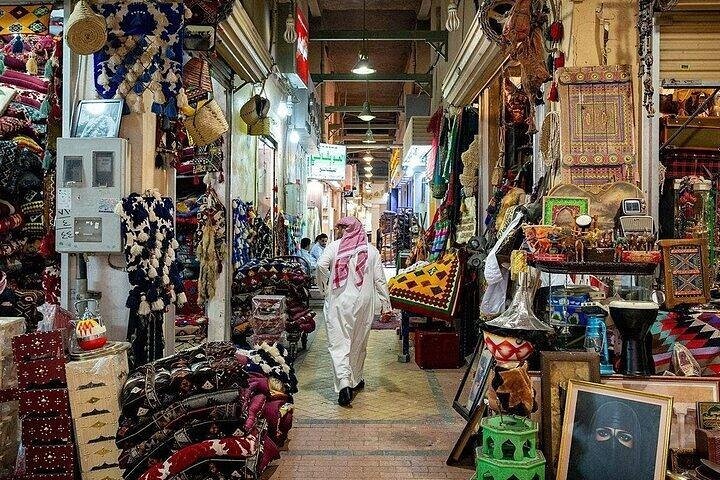
Souq Al-Ghouria (Cairo)
Islamic Heritage
Located near Al-Azhar Mosque, Souq Al-Ghouria is famous for its Islamic architecture and traditional products.
What to Buy
- Traditional clothing and fabrics
- Handmade crafts and souvenirs
- Islamic art and calligraphy
Tips
- The market is a great place to experience Cairo’s Islamic heritage.
- Don’t miss the nearby historic mosques and buildings.
Read more” Where is Sharm El Sheikh located
Souq Al-Attarine (Alexandria)
Spice Market
Souq Al-Attarine is Alexandria’s renowned spice market, offering a sensory overload of aromas and colors.
What to Buy
- Spices and herbs
- Natural perfumes and oils
- Traditional remedies
Experience
- Vendors are happy to explain the uses of various spices.
- The market is a favorite among chefs and food enthusiasts.
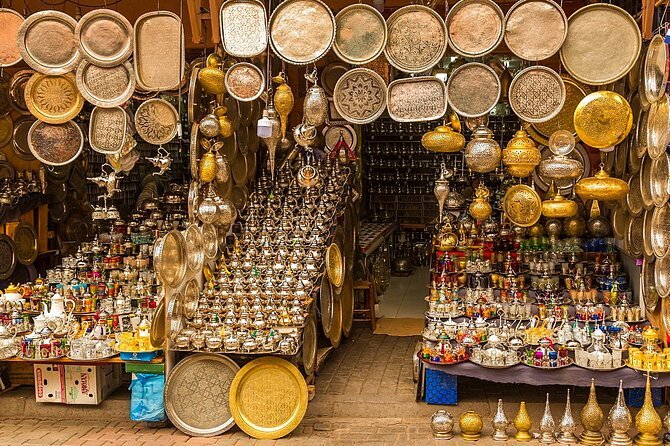
Luxor Gift Market (Luxor)
Souvenirs and Handicrafts
Located near Luxor Temple, this market is the go-to place for souvenirs and handmade gifts.
What to Buy
- Pharaonic statues and replicas
- Handmade jewelry and crafts
- Traditional clothing and accessories
Tips
- Prices are negotiable, especially for bulk purchases.
- Look for unique, locally made items.
Read more” Best Places to Visit in Luxor
The Cultural Significance of Egyptian Bazaars
Egyptian bazaars are not just commercial centers—they are vital to the country’s social and cultural fabric. Historically, markets served as gathering places for social interaction, recreation, and the exchange of news and ideas.
Today, they continue to reflect Egypt’s rich traditions, artisanal craftsmanship, and vibrant community life.
Social Hubs
- Bazaars are places where locals and tourists mingle, fostering cultural exchange.
- Many markets are located near historic mosques, churches, and monuments, reinforcing their role as community centers.
Preserving Heritage
- Traditional crafts such as khayamiya, pottery, and jewelry-making are kept alive in these markets.
- Many vendors are artisans who have inherited their skills from previous generations.
The Shopping Experience: Sights, Sounds, and Scents
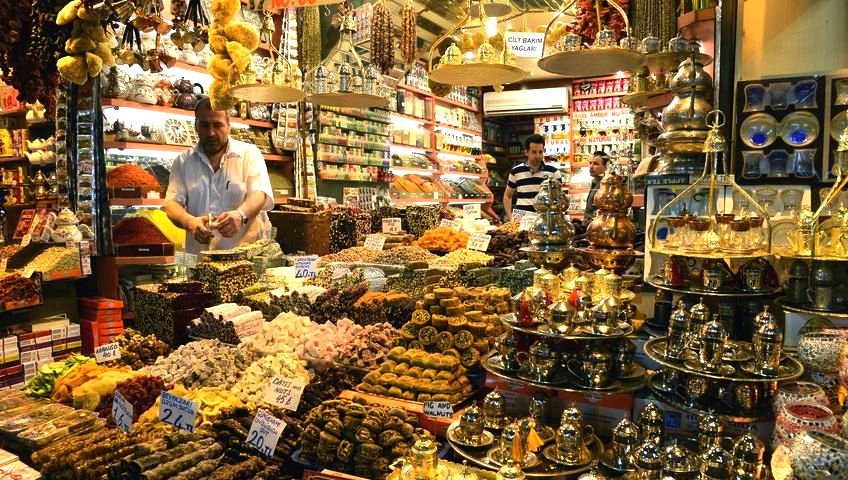
Sensory Overload
- The call of merchants, the aroma of spices, and the kaleidoscope of colors create an immersive experience.
- Street performers, musicians, and Sufi dancers add to the lively atmosphere.
Unique Finds
- Each bazaar offers products unique to its region, from Nubian crafts in Aswan to Mediterranean goods in Alexandria.
- Handicrafts, antiques, and souvenirs are often one-of-a-kind, making them perfect mementos.
Read more” Egypt Itinerary 10 Days: Plan Your Perfect Journey
Practical Tips for Shopping in Egyptian Bazaars
Bargaining
- Haggling is a fundamental part of the shopping experience. Start by offering half the initial price and negotiate from there.
- Be polite and friendly; bargaining is seen as a social interaction.
Safety and Etiquette
- Keep your belongings secure, especially in crowded areas.
- Dress modestly to respect local customs, especially when visiting religious sites.
- Use reliable taxis and avoid traveling alone at night.
Payment
- Cash is preferred in most markets; few vendors accept credit cards.
- Carry small denominations for easier transactions.
Best Times to Visit
- Early mornings and late afternoons are less crowded and more comfortable, especially in summer.
- Some markets, like Souq Al-Gomaa, operate only on specific days.
Photography
-
- Always ask for permission before photographing people.
- Markets are full of photogenic spots, from colorful spice stalls to historic architecture.
What to Buy: The Ultimate Egyptian Bazaar Shopping List
| Item | Where to Find It | Why It’s Special |
| Gold & Silver Jewelry | Khan El Khalili, Souq Al-Sagha | Handcrafted, ancient Egyptian designs |
| Spices & Herbs | Luxor Souk, Souq Al-Attarine | Exotic flavors, vibrant colors |
| Khayamiya Textiles | El-Khayamiya | Traditional appliqué, unique to Egypt |
| Nubian Handicrafts | Aswan Souk | Reflects Nubian culture and artistry |
| Papyrus Art | Luxor, Khan El Khalili | Ancient Egyptian art on authentic papyrus |
| Perfumes & Oils | Khan El Khalili, Alexandria | Traditional scents in ornate bottles |
| Carpets & Rugs | Wekalet El Balah | Handwoven, intricate patterns |
| Leather Goods | Hurghada, Cairo | High-quality, affordable |
| Alabaster Carvings | Luxor | Unique stonework, traditional craftsmanship |
| Traditional Clothing | Souq Al-Ghouria, Alexandria | Galabeyas, scarves, and embroidered garments |
| Antiques & Curiosities | Souq Al-Gomaa | Rare finds, vintage treasures |
Sample Itinerary: A Day in Cairo’s Bazaars
- Morning: Start at Khan El Khalili, exploring its labyrinthine alleys and enjoying a traditional breakfast at Café El Fishawi.
- Midday: Visit El-Khayamiya to watch artisans at work and shop for unique textiles.
- Afternoon: Head to Wekalet El Balah for fabric shopping and a glimpse into Cairo’s fashion scene.
- Evening: Stroll through El-Ataba Market for bargains and street food, ending your day with a sunset tea at a local café.
Egypt’s bazaars are a microcosm of the country’s history, culture, and daily life. Whether you’re searching for unique souvenirs, immersing yourself in local traditions, or simply soaking up the vibrant atmosphere, these markets promise an unforgettable experience. From the ancient alleys of Khan El Khalili to the Nubian stalls of Aswan, each bazaar tells a story—one that you’ll carry home in every handcrafted treasure and memory.