


Turkey is a country rich in diverse traditions and cultures, and Türkiye’s holidays are a prominent aspect of its social and cultural life. Turkey’s celebrations are not limited to religious aspects only; they also include many national occasions that express the pride of the people and their history. Anyone planning a trip to Turkey during the holidays will enjoy an exceptional experience filled with traditions, popular celebrations, and delicious cuisine.
The 4 Most Famous Holidays in Turkey
Turkey is known as one of the most culturally and civilizationally diverse countries, and this diversity is clearly evident in the way it celebrates its national and religious occasions. Türkiye’s holidays combine antiquity and tradition with modernity and innovation, making them a unique experience for anyone who experiences or visits them.
Whether you’re a tourist planning a unique trip or interested in discovering other cultures, learning about Turkey’s most prominent holidays and celebrations will open a window into the true Turkish spirit. In the following lines, we review the four most famous holidays celebrated annually in Turkey, which form an essential part of its social, religious, and cultural fabric.
🎉 First: Republic Day in Turkey – October 29
Republic Day in Turkey is one of the most prominent public holidays in Turkey. Turks celebrate it on the anniversary of the founding of the republic in 1923 by Mustafa Kemal Atatürk. Major Turkish cities such as Ankara and Istanbul transform into huge celebration platforms filled with Turkish flags, popular celebrations, and musical performances.
On this day, celebrations in Turkey are held in grand style, including military parades and school and university celebrations. It’s a day when citizens feel a sense of national pride and belonging, and it’s one of the best opportunities to discover Turkish culture at its peak.
Signs of joy are evident in the streets, where buildings are decorated with lights and the Turkish flag, and free concerts and festivals are held in public squares.
Don’t miss out on knowing” Türkiye’s tourist cities
🧒 Second: National Sovereignty and Children’s Day – April 23
This holiday is considered one of the most important Turkey’s holidays and unique global events, dedicated to children by Atatürk, in recognition of the importance of future generations, combine official holidays in Turkey with cultural celebrations for children, with thousands of children from both inside and outside Turkey participating. Schools organize celebrations, competitions, and artistic performances, while museums are open to families free of charge.
April 23 is a wonderful opportunity for visitors to experience the beautiful, human side of Turkish culture. Celebrations are widespread across Turkey, with children participating in parades wearing traditional costumes and singing patriotic songs.
Third: Eid al-Fitr in Turkey – Ramadan Bayrami
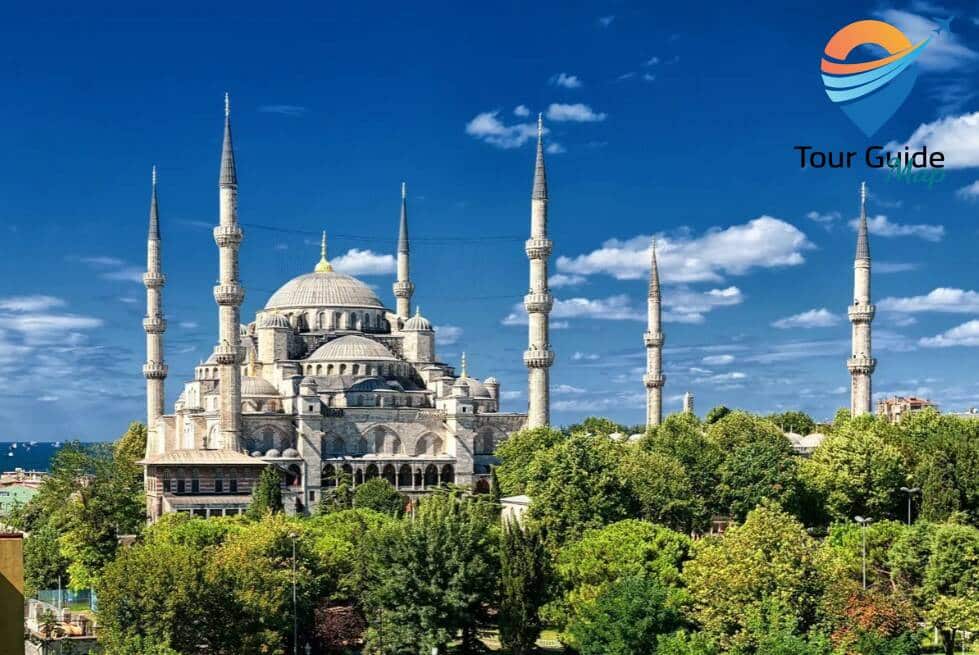
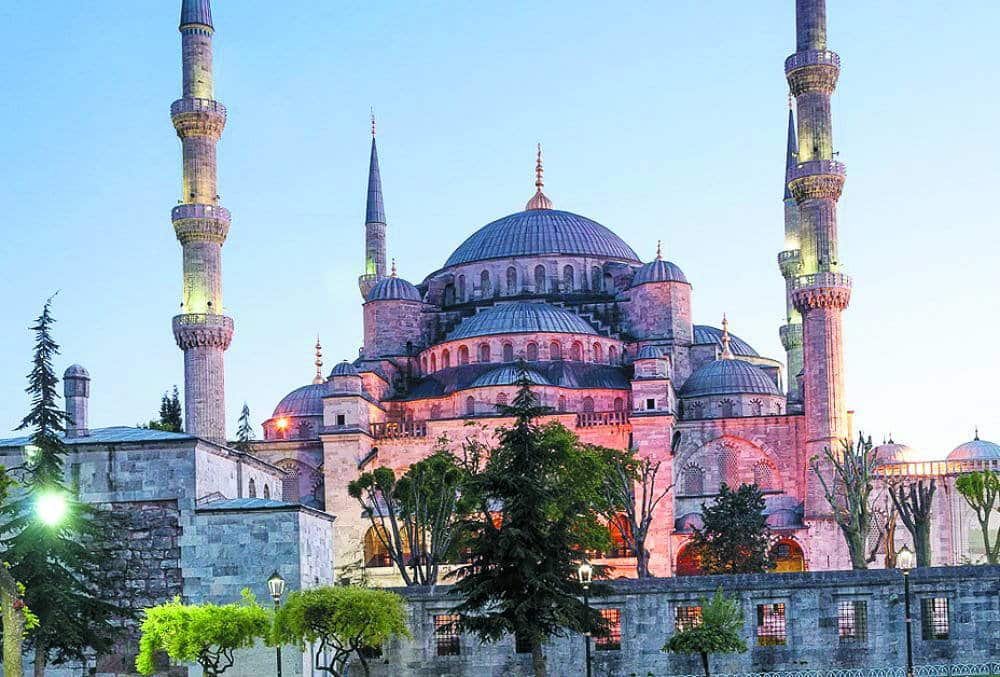
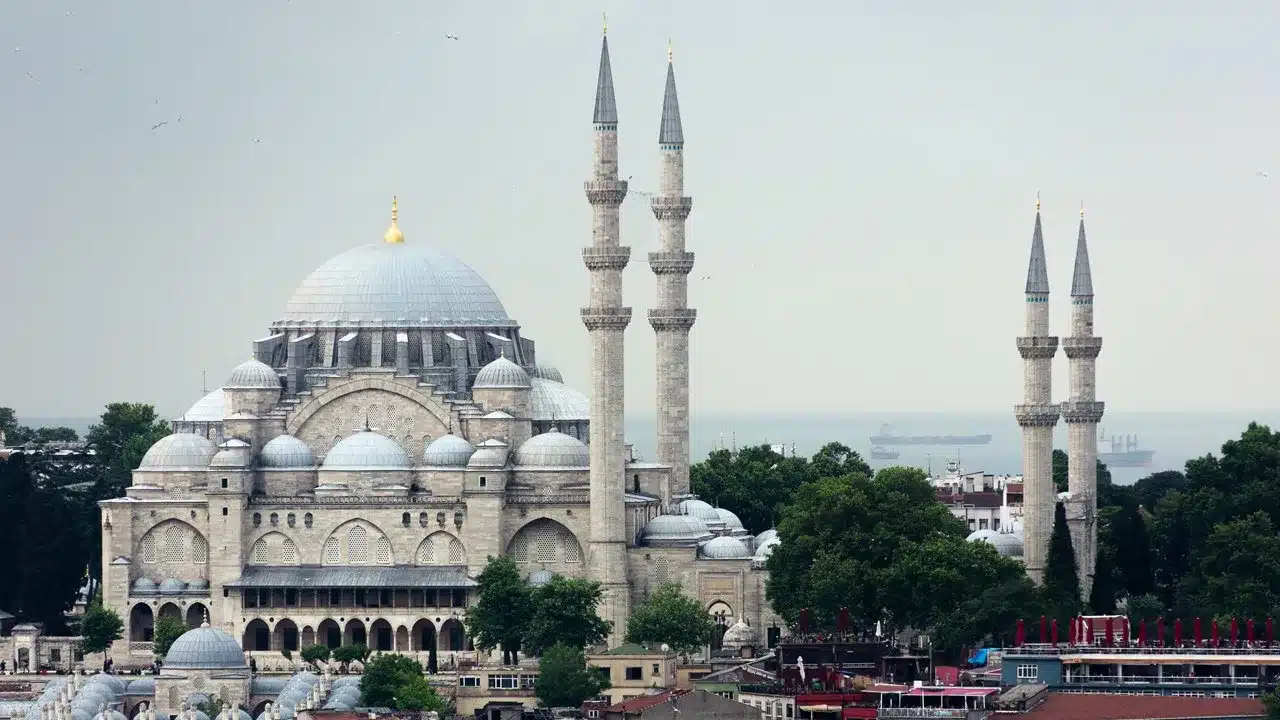
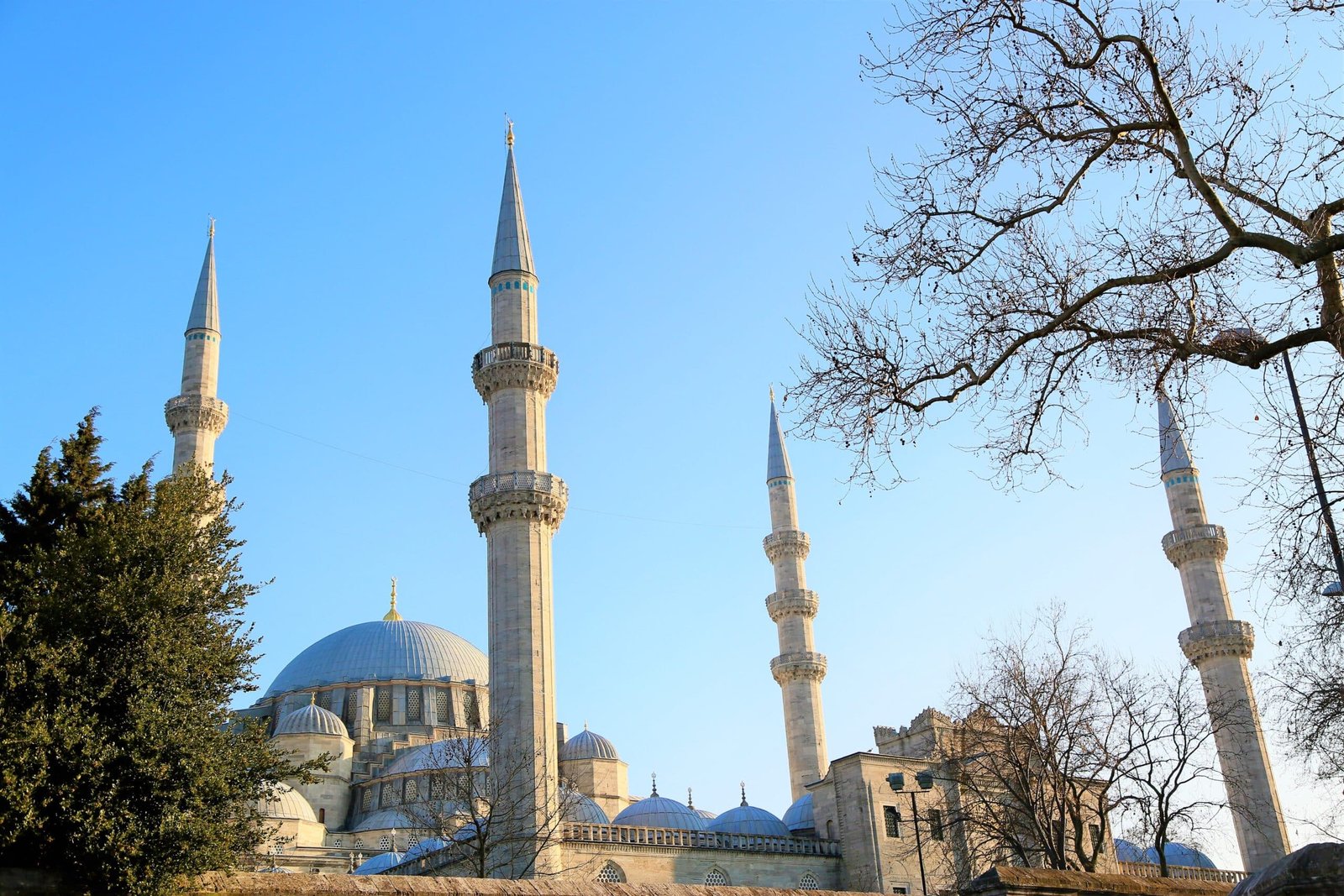
Eid al-Fitr in Turkey is one of the most prominent and joyous religious occasions in Turkey. The holiday begins after the end of the holy month of Ramadan, with the streets decorated and Eid prayers held in major mosques, such as the Sultan Ahmed Mosque in Istanbul.
During this holiday, families in Turkey visit frequently, and Turkish sweets such as baklava, kunafa, and lokum are served. Turks demonstrate hospitality, and it’s a unique opportunity for tourists to experience the family atmosphere and Turkish generosity.
Celebrations in Turkey during this holiday are simple yet spiritual, offering an opportunity to discover the religious rituals of Turkish Muslims.
Fourth: Eid al-Adha in Turkey – Kurban Bayrami
Eid al-Adha in Turkey is the second major religious holiday and lasts for four days. During this holiday, Muslims slaughter sacrificial animals and distribute the meat to those in need. Popular celebrations spread throughout the country. This holiday is filled with Turkish customs associated with generosity and solidarity.
Official institutions and shops are often closed, and people devote themselves to family visits and kinship ties. Kiosks selling sacrificial animals spread out on the outskirts of cities, and Eid prayers are held in public squares. This is one of the most prominent celebrations in Turkey, displaying a profound religious and social aspect.
✨ Other Celebrations and Festivals in Turkey
In addition to official and religious holidays, many Turkish festivals are held in Turkey that celebrate art, food, and music. These festivals, such as the Tulip Festival in Istanbul and the Music Festival in Bodrum, add a magical atmosphere to Turkey’s holidays.
🧳 Tourism During Turkey’s Holidays
The Tourism in Turkey during the holidays is completely different from the rest of the year. Hotels and restaurants Tourist attractions are packed with festive spirits, so visitors are advised to plan ahead and book accommodations early.
Traditional markets such as the Egyptian Market and the Grand Bazaar offer special offers during Turkey’s holidays, and visitors enjoy a blend of heritage and modernity, where ancient Turkish customs blend with contemporary celebrations.
What makes Turkey’s holidays stand out from others?
- Türkiye’s holidays are characterized by a unique balance between a deep spiritual side and vibrant social traditions. Unlike many countries whose holidays are limited to formal or religious rituals, Türkiye’s Holidays transform into comprehensive community events that extend from homes to streets, from mosques to public squares.
- What also distinguishes them is the great emphasis on family and kinship ties. Turkish celebrations are an opportunity to reunite relatives and friends, and Turkish families often witness the exchange of gifts and multiple visits throughout the holiday.
- Türkiye’s Holidays traditions are rooted in history and carry a cultural character that reflects the diversity of ethnicities and religions that have passed through Anatolia.
- Additionally, the celebrations are not limited to major cities, but extend to villages and rural areas, where Turkish customs are most evident, from wearing traditional dress to preparing special homemade foods for the occasion.
- Most importantly, tourism in Turkey during the holidays is not just a visit to a place, but a lively experience of tasting culture and living among a community that celebrates its occasions with love. Warmth and openness to visitors from different cultures.
How do the Turkish people celebrate holidays?
❖ Prayer and Spirituality
- Religious holidays such as Eid al-Fitr and Eid al-Adha begin with group prayers in mosques and squares, followed by the exchange of congratulations and prayers among people in a spiritual atmosphere.
❖ Family Visits
- Visiting relatives and friends is one of the most important rituals of Türkiye’s holidays, as intimacy prevails and kinship ties are strengthened. Meetings continue throughout the holiday.
❖ Offering Sweets and Gifts
- Turkish homes are famous for serving Turkish sweets during Eid, such as baklava and lokum, and children are given “eidiye” or gifts. Simple.
❖ Wearing New Clothes
- It is a basic custom for everyone to wear new, clean clothes, as a symbolic expression of joy and to welcome the holiday with elegance and cleanliness.
❖ National and Community Celebrations
- On national holidays such as Republic Day, large events are held, including military parades, school marches, and concerts in public squares.
❖ Public Activities and Events
- Municipalities organize street and park festivals, including folk dance performances, children’s performances, and art and cultural exhibitions open to the public.
❖ Markets and Trade Shows
- Markets are decorated and offer special discounts, making tourism in Turkey during the holidays an unforgettable shopping and entertainment experience.
❖ Respect for the Elderly
- It is a well-established tradition to kiss the hand of the elder and ask for blessings and prayers. This custom reflects the respect Turks have for the elders of the family.
The Difference Between National and Religious Holidays in Turkey
| Classification | National Holidays | Religious Holidays |
| Definition | Holidays associated with historical and political events in Turkey. | Holidays associated with Islamic rituals and religious occasions. |
| Examples | – Republic Day (October 29)
– National Sovereignty and Children’s Day (April 23) – Eid al-Fitr (Ramadan Bayrami) – Eid al-Adha (Qurban Bayrami) – General Character – National – Official – Festive in the streets and public facilities. – Religious – Family – Spiritual with religious rituals and visits. – … Mercy and maintaining family ties. |
|
| Popular Character | Group celebrations in squares and streets. | Family gatherings at home and family visits. |
| Child Participation | High, especially on Children’s Day. | Important, through the presentation of gifts and Eidiya. |
| Duration of Official Holidays | Usually one day. | 3 days for Eid al-Fitr, 4 days for Eid al-Adha. |
✈️ How do holidays affect tourism?
- Increase in domestic and international travel:
Turks are keen to travel within the country to visit relatives or spend their holidays, which is reflected in hotel occupancy rates. Meanwhile, foreigners are keen to visit Turkey to enjoy the holiday atmosphere, especially in Istanbul, Antalya, and Cappadocia. - Special offers from hotels and tour companies:
Many hotels and tourist resorts are offering special packages for celebrants, including discounts, holiday meals, and family activities. - Special tourist activities:
During national holidays, festive performances and open-air musical parades are held, giving visitors the opportunity to attend traditional Turkish festivals. During religious holidays, tourists can experience the traditions of holiday visits in Turkey and taste Turkish sweets. - Closing of some government institutions and museums:
Tourists should plan their trips carefully, as some museums and offices close during holidays, especially Eid al-Adha.
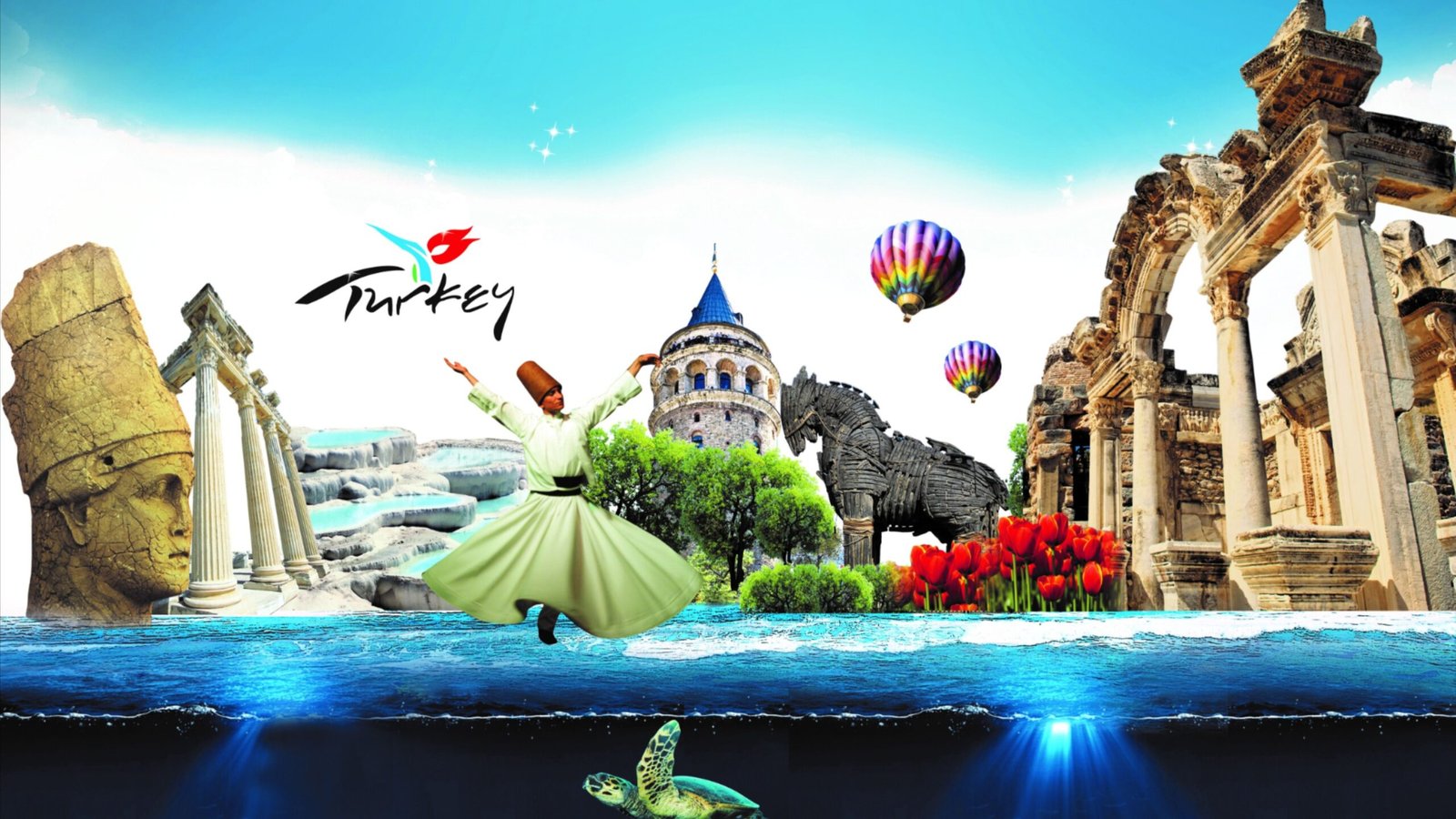
🎯 Why do tourists prefer to visit Turkey during holidays?
- To enjoy Turkish hospitality and living traditions.
- To experience religious occasions and popular celebrations from a cultural perspective.
- To take advantage of offers and discounts.
- To get great visual content to share on social media.
When to Visit Turkey to enjoy the celebrations?
If you want to experience the true cultural atmosphere of Turkey, the best time to visit is during Turkey’s official and religious holidays, when cities and villages alike experience moments of joy and belonging. However, choosing the right time depends on the type of atmosphere you are looking for.
📅 Best times by holiday type:
-
- For lovers of patriotic atmosphere and public events:
- Visit Turkey on Republic Day (October 29) or National Sovereignty and Children’s Day (April 23).
- You’ll witness dazzling performances, concerts, parades in squares, and massive public interaction, especially in Istanbul and Ankara.
- For those who prefer religious rituals and a family atmosphere:
- Eid al-Fitr and Eid al-Adha are ideal occasions to get closer to authentic Turkish customs.
- Eid visits are frequent in Turkey, Turkish sweets are served, and Eid prayers are performed in wonderful spiritual settings.
- For those interested in festivals Cultural and Artistic:
- In addition to the holidays, there are seasonal festivals in the summer and spring, such as the Tulip Festival in April and the Bodrum Music Festival.
- For lovers of patriotic atmosphere and public events:
📝 Important Tips Before Your Visit:
-
-
- Book Early: During the holidays, hotel and flight prices rise rapidly.
- Check the official holiday schedule: To avoid the closure of tourist establishments or facilities.
- Prepare for a crowded atmosphere: Turkey is full of energy and visitors during the holidays.
-
Traditional Foods Served During Turkish Holidays
Traditional foods play a pivotal role in Türkiye’s holidays rituals, as the joy of the occasion is never complete Religious and national celebrations are celebrated with lavish banquets that reflect the rich diversity of Turkish cuisine. Families are keen to prepare special foods that express hospitality and family cohesion, and these dishes are served in a festive atmosphere to both guests and family members.
🍬 The most popular holiday desserts:
-
-
- Baklava:
One of the most popular Turkish holiday desserts, it’s made with filo pastry stuffed with nuts and drizzled with sugar syrup. - Lokum:
Also known as “Delight,” it’s served frequently to guests during family visits on Eid al-Fitr and Eid al-Adha. - Simit:
It’s sometimes served for breakfast on the first day of Eid, especially in rural areas and traditional cities.
- Baklava:
-
🍖 Special Eid Foods Eid al-Adha
-
-
- Sacrificial Meat (Qurban):
On Eid al-Adha in Turkey, sacrificial animals are slaughtered and cooked in various ways, most notably:- Kebab: either grilled or over charcoal.
- Turkish Casserole (Güveç): The sacrificial meat is cooked with vegetables and spices.
- Traditional Soups:
Such as lentil soup or head soup, which is often served on the first day of Eid.
- Sacrificial Meat (Qurban):
-
🧁 Regional Holiday Foods
- In Antalya and Mersin: Fish and seafood dishes are prepared for holiday feasts.
- In the Black Sea region: Dishes such as karniyarık (stuffed eggplant with meat) are popular.
- In Anatolia: Dishes such as manti (Turkish meat dumplings) and Kumpir”.
Türkiye’s holidays are a great opportunity to discover the new face of Turkey. The human and cultural heritage of this rich country. Whether you’re looking for a spiritual experience during religious occasions in Turkey, or want to share the joy of the people during national celebrations, Turkey always opens its doors to you with its generosity and antiquity. Don’t miss the opportunity to attend one of these events if you’re visiting soon.