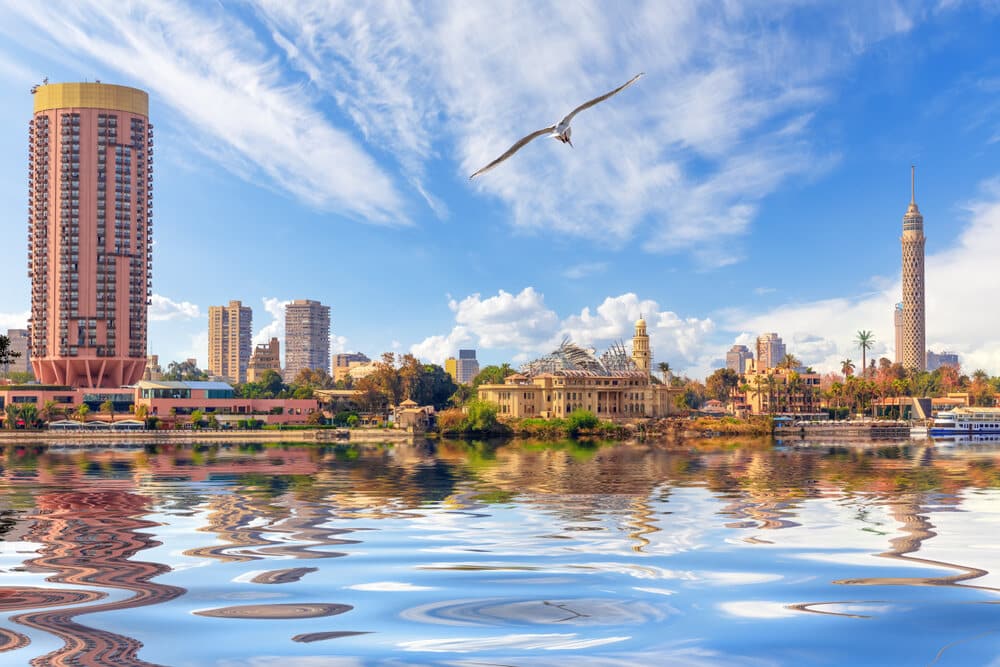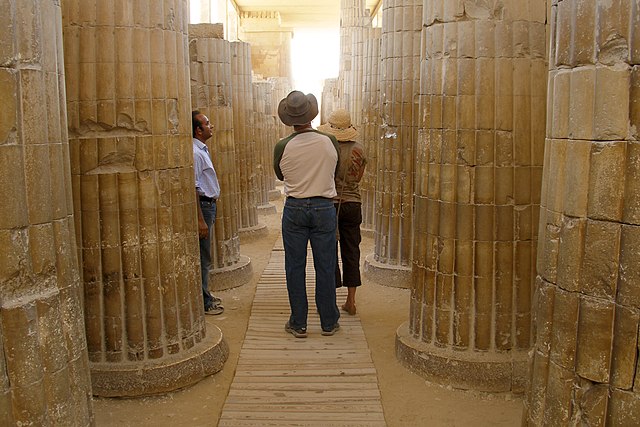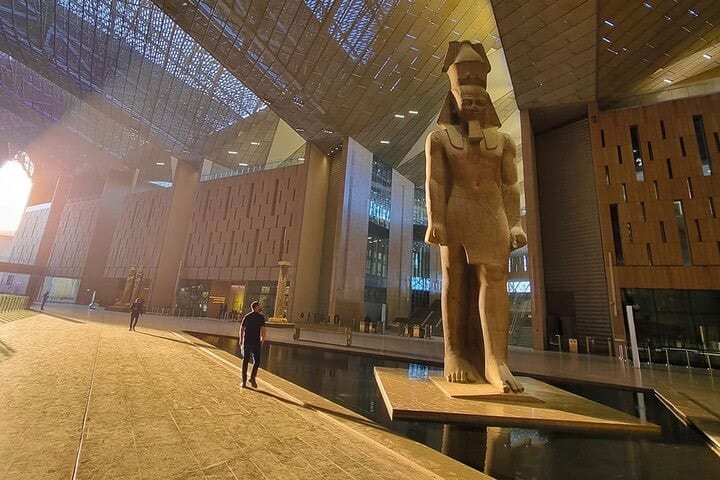

A Nile Cruise isn’t just a holiday; it’s an iconic journey that defines the Egyptian experience. Floating serenely along the world’s longest river, you’ll trace the footsteps of pharaohs, discover ancient temples rising majestically from the riverbanks, and witness the timeless rhythm of Egyptian life unfolding before your eyes. It’s a unique blend of relaxation, historical immersion, and cultural discovery, making it an essential part of any visit to Egypt.
Why Choose a Nile Cruise?
Choosing a Nile Cruise offers unparalleled benefits for exploring Egypt’s ancient wonders:
- Seamless Sightseeing: Unlike land tours that involve constant packing, unpacking, and long bus rides, a cruise acts as a floating hotel. Your accommodation moves with you, bringing the temples directly to your doorstep.
- Relaxation: The pace of a Nile cruise is inherently leisurely. You can enjoy panoramic views from your cabin balcony or the sundeck, soak up the sun, and unwind between guided excursions.
- All-Inclusive Convenience: Most cruises are full-board, including meals and guided tours to major sites. This simplifies planning and budgeting, allowing you to focus on the experience.
- Unique Perspective: The Nile has been Egypt’s lifeline for millennia. Experiencing the country from its ancient artery provides a profound connection to its history and present-day rural life that land-based tours simply cannot offer.
- Cultural Immersion: Beyond the temples, you’ll see local farmers tending their fields, children waving from the banks, and traditional feluccas (sailboats) gliding by, offering glimpses into authentic Egyptian life.
Read more” 5 Reasons to Visit Egypt At Least Once
Types of Nile Cruises
When planning your Nile Cruise, you’ll find several options to suit different preferences and budgets:
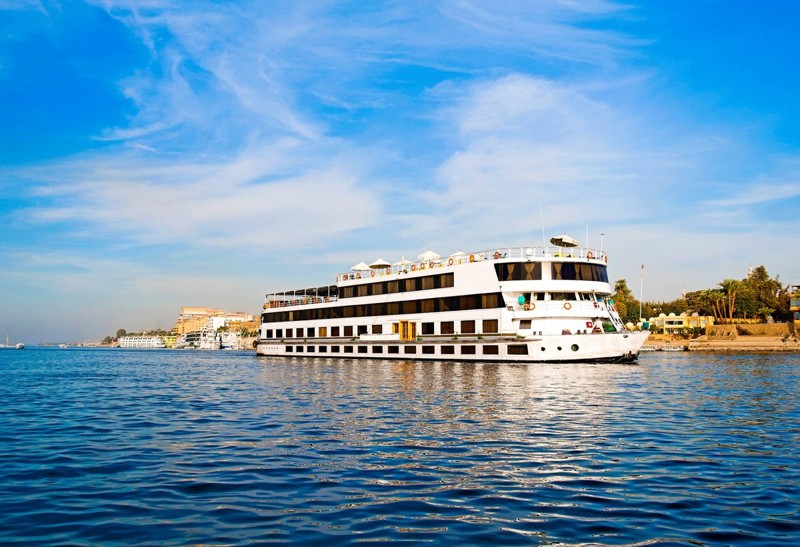
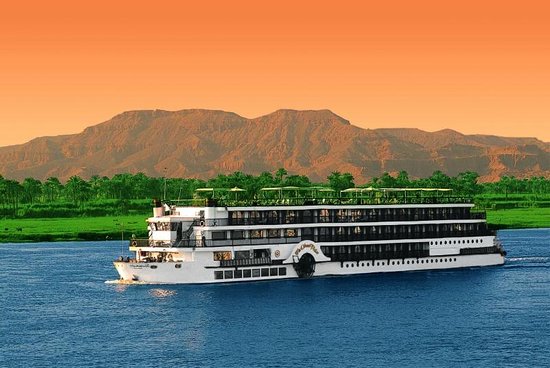
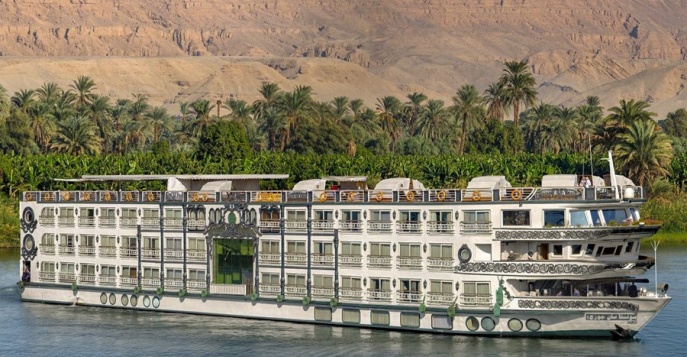
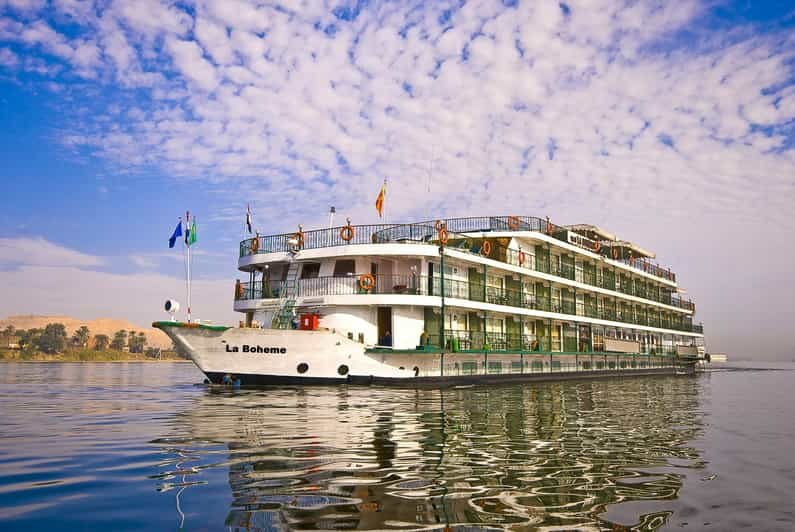
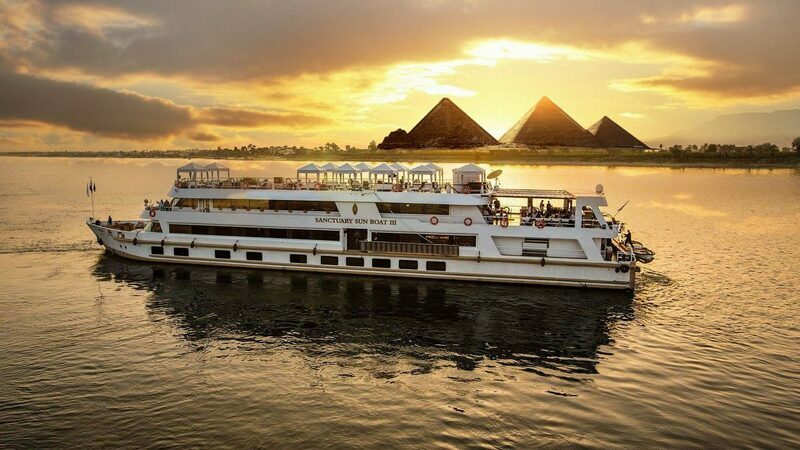
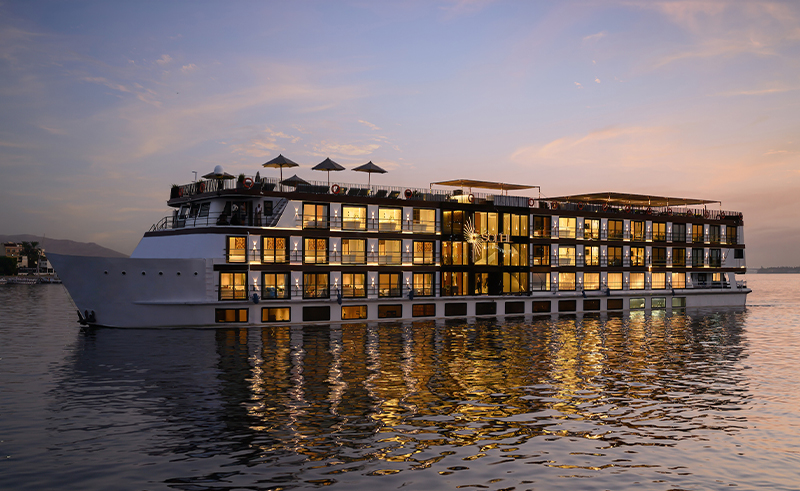
- Standard Large Cruise Ships: These are the most common type, resembling small floating hotels with multiple decks, restaurants, bars, swimming pools, and entertainment facilities. They typically accommodate 80-150 passengers. They offer a good balance of amenities and access to sites.
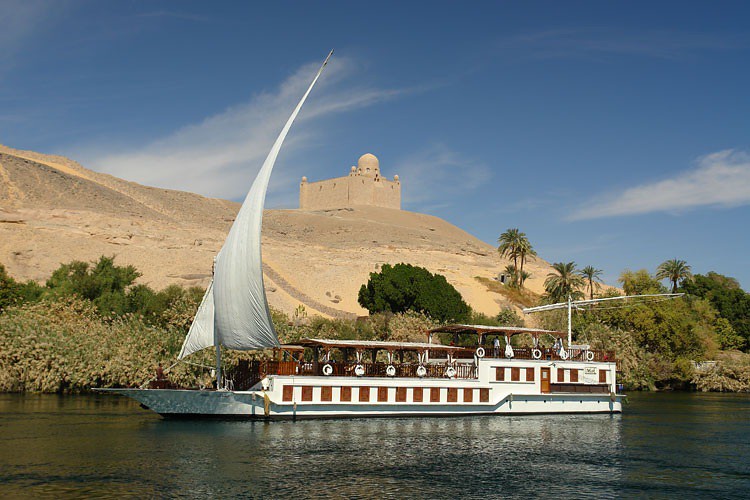
- Dahabiyas: For a more intimate and luxurious experience, Dahabiyas are traditional, two-masted sailboats that have been beautifully restored. They are much smaller, accommodating usually 8-20 guests in private cabins. They offer a more exclusive, serene journey with a slower pace, often stopping at smaller, less-visited sites and allowing for a deeper connection with the river. Meals are typically freshly prepared onboard.
- Felucca Boats: For the truly adventurous and budget-conscious, feluccas offer a rustic, authentic experience. These traditional wooden sailboats have no cabins; guests sleep on deck (with mattresses and blankets provided), often under the stars. Meals are prepared onboard. They are perfect for shorter, typically 1-2 night trips, focusing on the pure sailing experience and simple living. They are more common for trips around Aswan.
Popular Nile Cruise Routes and Durations
The most popular Nile Cruise routes sail between Luxor and Aswan, offering a direct path through the heart of ancient Egypt.
- Luxor to Aswan (3 Nights/4 Days): This is the most common and often recommended itinerary if time is limited. Cruises typically depart from Luxor, sailing south.
- Day 1: Arrive in Luxor, check-in. Visit Karnak Temple Complex and Luxor Temple. Overnight in Luxor.
- Day 2: Visit the Valley of the Kings, Temple of Hatshepsut, and the Colossi of Memnon. Sail to Edfu, passing through the Esna Lock. Overnight near Edfu.
- Day 3: Visit Edfu Temple (Temple of Horus). Sail to Kom Ombo to visit the Temple of Kom Ombo. Continue sailing to Aswan. Overnight in Aswan.
- Day 4: Visit Aswan High Dam, Unfinished Obelisk, and Philae Temple. Disembark in Aswan.
- Aswan to Luxor (4 Nights/5 Days): This route covers the same sites but in reverse, sailing north. Many travelers prefer this direction as it allows for a slightly more relaxed pace on the first day in Aswan before the main temple visits.
- Day 1: Arrive in Aswan, check-in. Visit Aswan High Dam, Unfinished Obelisk, and Philae Temple. Overnight in Aswan.
- Day 2: (Optional early morning trip to Abu Simbel). Sail to Kom Ombo to visit the Temple of Kom Ombo. Continue sailing to Edfu. Overnight near Edfu.
- Day 3: Visit Edfu Temple (Temple of Horus). Sail to Luxor, passing through the Esna Lock. Overnight in Luxor.
- Day 4: Visit the Valley of the Kings, Temple of Hatshepsut, and the Colossi of Memnon. In the afternoon, visit Karnak Temple Complex and Luxor Temple. Overnight in Luxor.
- Day 5: Disembark in Luxor.
Longer Cruises: Some itineraries extend to 7 nights, often including more time in Luxor and Aswan, perhaps incorporating visits to less-frequented sites or more leisure time.
Read more” Desert Safari in Egypt: Journey into the Sands
Key Sites Visited on a Nile Cruise
A Nile Cruise is designed to showcase the most magnificent ancient sites along the river:
- Karnak Temple Complex (Luxor): A sprawling city of temples, pylons, and obelisks built over two millennia, dedicated primarily to the god Amun-Ra. Its Great Hypostyle Hall with 134 colossal columns is awe-inspiring.
- Luxor Temple (Luxor): An elegant temple dedicated to the rejuvenation of kingship, particularly stunning at sunset. It’s connected to Karnak by the recently restored Avenue of Sphinxes.
- Valley of the Kings (Luxor West Bank): The burial ground of New Kingdom pharaohs, where you can descend into beautifully decorated tombs, including that of Tutankhamun.
- Temple of Hatshepsut (Luxor West Bank): A unique terraced mortuary temple dedicated to one of Egypt’s most powerful female pharaohs, dramatically set against the cliffs.
- Colossi of Memnon (Luxor West Bank): Two massive stone statues of Pharaoh Amenhotep III, guarding the entrance to his former mortuary temple.
- Edfu Temple (Temple of Horus): One of Egypt’s best-preserved ancient temples, dedicated to the falcon-headed god Horus. Its grand scale and intricate carvings offer a comprehensive look at ancient Egyptian religious architecture.
- Kom Ombo Temple: A unique double temple dedicated to two gods: Sobek (the crocodile god) and Horus the Elder (the falcon-headed god). It’s renowned for its precise symmetry and a small museum showcasing mummified crocodiles.
- Philae Temple (Aswan): Dedicated to the goddess Isis, this beautiful temple was meticulously relocated to Agilkia Island to save it from the Aswan High Dam’s rising waters.
- Aswan High Dam: A modern marvel of engineering that significantly impacted Egypt’s agriculture and power supply, creating Lake Nasser.
- Unfinished Obelisk (Aswan): A massive granite obelisk that would have been the largest ever carved if completed, offering insights into ancient Egyptian quarrying techniques.
- Optional: Abu Simbel Temples: While a significant commitment (typically an early morning bus or flight), visiting these two colossal rock-cut temples of Ramses II and Nefertari is a truly breathtaking experience, often considered a highlight of a Nile Cruise.
Read more” Egypt Historical Tours: Uncover Ancient Secrets!
What to Expect Onboard
A Nile Cruise ship is designed for comfort and convenience:
- Cabins: Most ships offer comfortable cabins (some with balconies) that are equivalent to hotel rooms, typically featuring twin or double beds, a private bathroom, air conditioning, and a small sitting area.
- Dining: Meals are usually served buffet-style, offering a mix of international and Egyptian cuisine. Dietary restrictions can often be accommodated with advance notice. Most cruises are full-board (breakfast, lunch, dinner).
- Amenities: Ships typically have a sundeck with a small swimming pool, lounge areas, a bar, and a gift shop. Some larger ships may have a gym or spa services.
- Entertainment: Evenings often feature light entertainment such as a “Galabiya Party” (where guests dress in traditional Egyptian attire), a belly dance show, or a Nubian folk performance.
- Guides: All reputable Nile Cruise packages include a qualified Egyptologist guide who accompanies you on all excursions, providing historical context and fascinating insights into the sites.
Read more” Where is Sharm El Sheikh located
Best Time for a Nile Cruise
The best time for a Nile Cruise is generally from October to April. During these months, the weather is pleasant and mild, making sightseeing comfortable. Temperatures are typically in the $20^\circ\text{C}$s to low $30^\circ\text{C}$s ($70^\circ\text{F}$s to $80^\circ\text{F}$s).
- Peak Season (November to February): This is the coolest and most comfortable period, but also the busiest and most expensive. Book well in advance.
- Shoulder Seasons (October, March, April): Still excellent weather, slightly fewer crowds, and potentially better prices.
- Summer (May to September): Extremely hot, with temperatures often exceeding 40∘C (104∘F). While cruises still operate, sightseeing can be challenging due to the heat. However, prices are lower, and there are fewer crowds.
Essential Tips for Your Nile Cruise
To make your Nile Cruise experience unforgettable, keep these tips in mind:
- Book in Advance: Especially if traveling during peak season, popular cruises and cabin types sell out quickly.
- Choose a Reputable Operator: Read reviews and choose a cruise line known for good service, experienced guides, and well-maintained ships. Your overall Egypt tour operator will often arrange the cruise as part of a larger package.
- Pack Smart:
- Lightweight, breathable clothing: Cotton or linen is ideal for daytime.
- Comfortable walking shoes: Essential for exploring temples.
- Sun protection: Wide-brimmed hat, sunglasses, high-SPF sunscreen.
- Swimsuit: For the onboard pool.
- Layers: Evenings on the deck can be cool, especially in winter.
- Modest attire: Especially for visiting temples (cover shoulders and knees).
- Small backpack/day bag: For excursions.
- Power bank: To charge devices (outlets can be limited).
- Stay Hydrated: Drink plenty of bottled water, especially during excursions in the heat.
- Bring Small Bills: Useful for tipping (baksheesh) for services.
- Embrace the Pace: A Nile Cruise is designed for relaxation. Enjoy the views, the history, and the unique journey.
- Consider Abu Simbel: While an extra cost, the optional excursion to Abu Simbel is highly recommended for its sheer grandeur and historical significance.
Read more” The Old Market in Sharm El Sheikh
Nile Cruise vs. Land-Based Tours
While land-based tours offer flexibility and can include sites not accessible by river (like the White Desert or Siwa Oasis), a Nile Cruise offers a distinct advantage for seeing the core ancient Egyptian sites of Luxor and Aswan:
- Efficiency: Maximizes sightseeing time by minimizing travel logistics.
- Comfort: You unpack once and enjoy continuous river views.
- Atmosphere: The unique experience of sailing the Nile is invaluable.
Many comprehensive Egypt itineraries cleverly combine a few days in Cairo (to see Giza, GEM) with a Nile Cruise and perhaps a few days at a Red Sea resort, offering the best of all worlds.
Read more” Best Places to Visit in Luxor
FAQs About Nile Cruises
Q1: Are Nile Cruises safe?
A1: Yes, Nile Cruises are generally very safe. Security is a high priority for the Egyptian government, and cruise ships adhere to strict safety regulations.
Q2: What is included in a typical Nile Cruise price?
A2: Most Nile Cruise packages include full-board accommodation, all planned excursions to the sites with an Egyptologist guide, and often airport/station transfers. Drinks, optional excursions (like Abu Simbel), and tips (baksheesh) are usually extra.
Q3: Do I need to arrange tips (baksheesh) separately on a Nile Cruise?
A3: Yes, tipping is customary in Egypt. For Nile Cruises, it’s common to give a collective tip to the crew at the end of the journey. Your tour operator or guide will usually advise on the recommended amount. You’ll also tip your Egyptologist guide separately.
Q4: Is the Esna Lock an interesting experience?
A4: Yes, passing through the Esna Lock is a unique and often entertaining experience. You’ll see other ships navigating the lock, and local vendors in small boats might approach the cruise ship to sell goods.
Q5: Is Wi-Fi available on Nile Cruises?
A5: Most modern Nile Cruise ships offer Wi-Fi, often for an additional charge. However, the connection can be slow and unreliable, especially in more remote areas. Consider purchasing a local SIM card upon arrival in Egypt for better connectivity.
Q6: What currency should I use on the Nile Cruise?
A6: Egyptian Pounds (EGP) are the local currency for small purchases and tips. Major credit cards are usually accepted for larger payments on board. US Dollars, Euros, and British Pounds are also widely accepted for tips or at larger souvenir shops.
Q7: Will I get seasick on a Nile Cruise?
A7: No, the Nile River is very calm, and the cruise ships are stable. It’s highly unlikely you will experience seasickness.
A Nile Cruise offers an unparalleled opportunity to connect with Egypt’s magnificent past while enjoying the comforts of a modern floating hotel. It’s more than just a journey from one historical site to another; it’s a deep immersion into the country’s very essence. Embark on this timeless voyage, and you’ll undoubtedly carry the magic of the Nile with you long after you’ve disembarked.