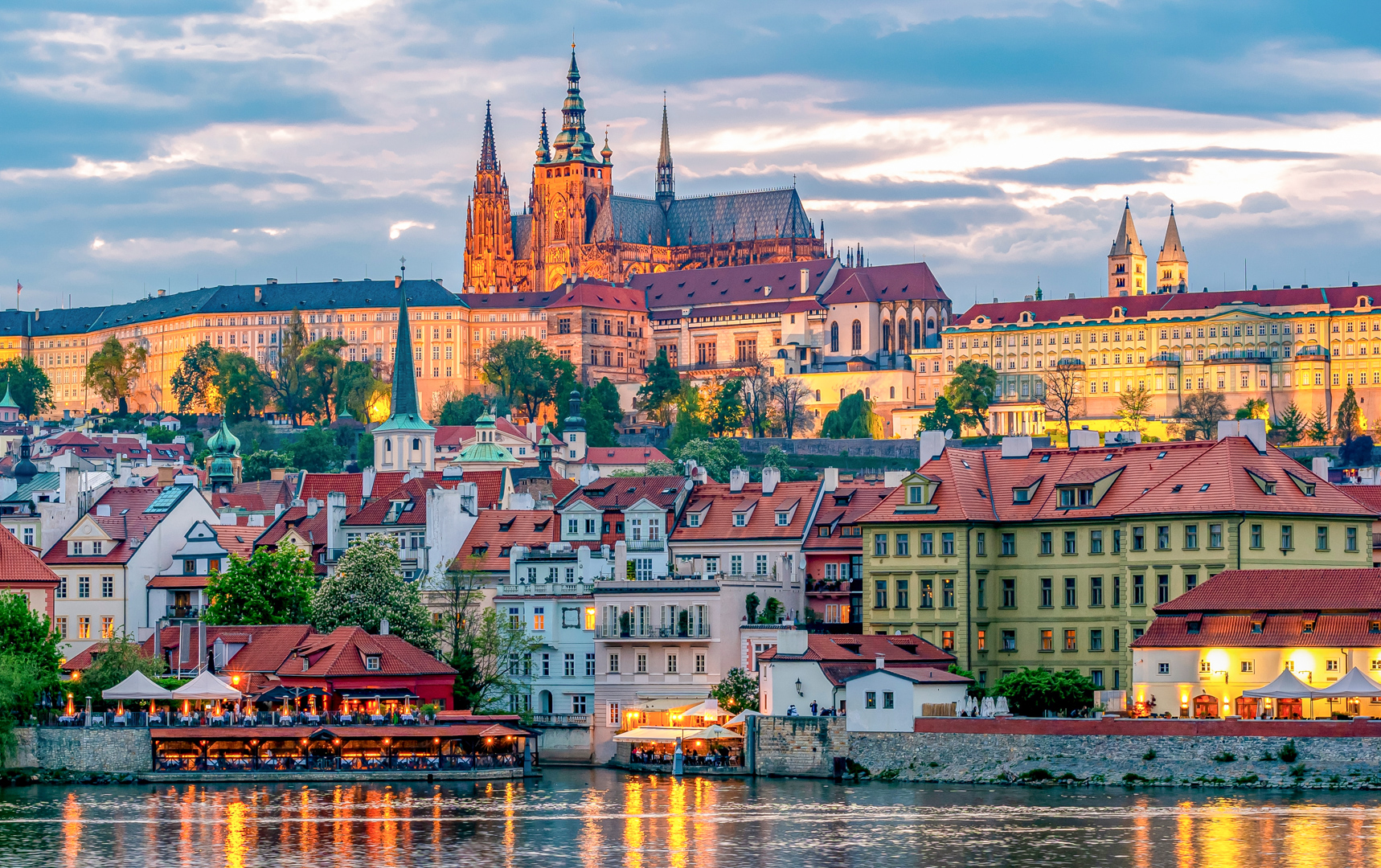



Castles are fascinating structures that have captured the imagination of many for centuries. Built primarily during the Middle Ages, castles were not only residences but also fortresses designed for defense, status, and protection. These impressive buildings played a significant role in the social, political, and military landscape of their time. Here’s a look at how castles worked, their purpose, and the components that made them effective fortifications.
Purpose of Castles
- Defense: The primary purpose of a castle was to defend its inhabitants from attacks. Located strategically on high ground, near rivers, or at crossroads, castles were designed to withstand sieges and protect the surrounding lands.
- Residence: Castles were also the homes of nobility, including kings, queens, lords, and their families. They were symbols of power and wealth.
- Control: Castles served as centers of control for the surrounding lands, where the lord or monarch could enforce laws, collect taxes, and administer justice.
Read more” The Best Places to Work Remotely and Travel
Key Components of a Castle
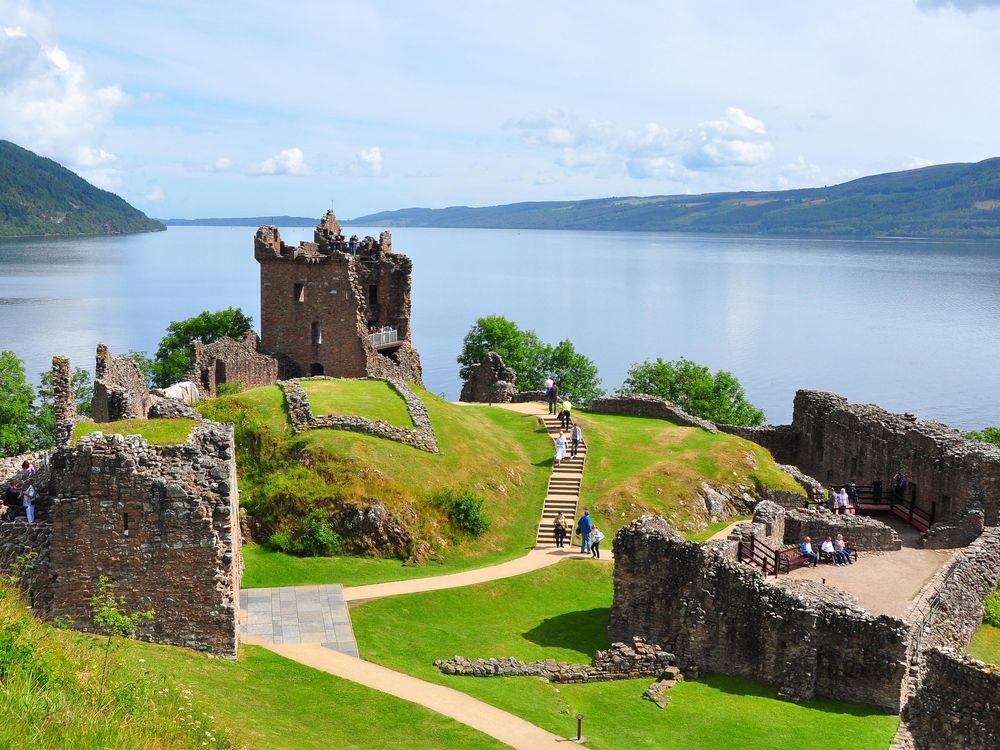
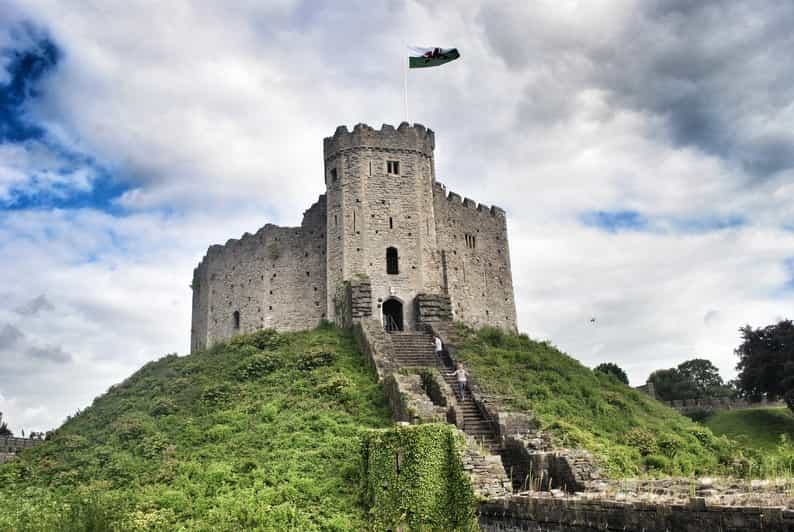
- Motte and Bailey: Early castles often had a motte, a large mound of earth, on which a wooden or stone structure (the keep) was built. The bailey was an enclosed area surrounding the motte, which housed the castle’s buildings, stables, and workshops.
- Keep: The keep was the main living area and the most fortified part of the castle. It was the last line of defense during a siege. The keep contained the lord’s living quarters, storage, and sometimes even a chapel.
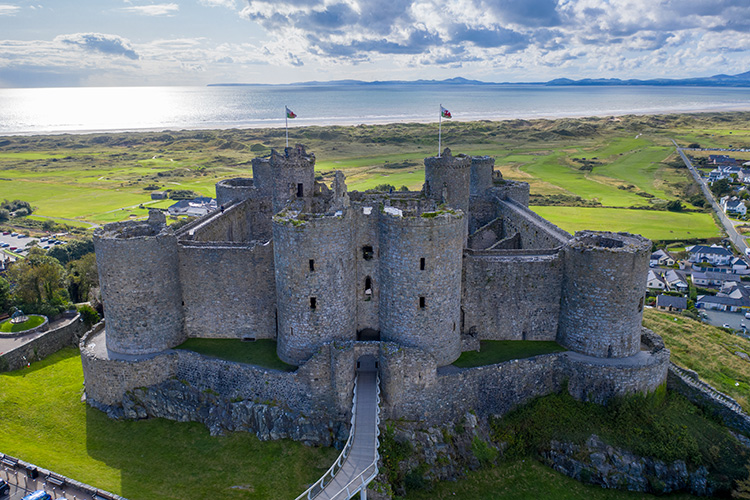
- Walls and Towers: Castles were surrounded by thick walls made of stone, which were difficult for enemies to breach. Towers were often built at intervals along the walls to provide elevated positions for defense, such as archers or lookouts.
- Moat: A deep, wide moat filled with water surrounded many castles, serving as a barrier to deter invaders from easily reaching the walls. Some moats were dry, filled only with obstacles, or designed to make siege engines ineffective.
- Drawbridge: A drawbridge allowed entry into the castle over the moat. The bridge could be raised in times of danger to prevent invaders from crossing.
- Gatehouse: The gatehouse was the main entrance to the castle and often the most heavily guarded area. It featured a heavy wooden door, often reinforced with iron, and a portcullis (a heavy iron gate that could be dropped quickly in an emergency).
Read more” The most famous fish restaurants in Antalya
Castle Defenses
- Battlements: The top of the castle walls featured battlements, with merlons (the solid part) and crenels (the gaps), providing protection for defenders while allowing them to shoot arrows or throw objects at attackers.
- Arrow Slits: Castles had arrow slits (also called louvres) in the walls, narrow vertical openings that allowed defenders to shoot arrows without exposing themselves to enemy fire.
- The Keep’s Stronghold: During a siege, the keep was the final place of refuge. It contained the lord’s family, valuables, and food supplies. It was built to be as defensible as possible, often with thick stone walls and a central location that provided views of the surrounding area.
Read more” What is the oldest city on Earth?
Life Inside a Castle
- Living Conditions: Life in a castle was different from modern homes. Castles were often cold and drafty, with large, open fireplaces for heating. The living quarters of the lord or king were decorated with tapestries, furnishings, and luxurious items, whereas servants and soldiers lived in more basic conditions.
- Feasts and Ceremonies: Castles were also venues for important events such as feasts, banquets, and ceremonies. These social gatherings helped maintain the castle’s role as a center of power and prestige.
- Security: Castles were built with security in mind, especially in the event of a siege. The lord’s family and important visitors would have access to secure rooms, and the surrounding walls would be staffed by soldiers to ward off invaders.
Read more” What are the names of the states in America?
The Decline of Castles
The role of castles began to decline after the invention of gunpowder and the development of cannons, which made castle walls more vulnerable to attack. Over time, castles were replaced by more modern fortifications, and many castles were abandoned or repurposed.
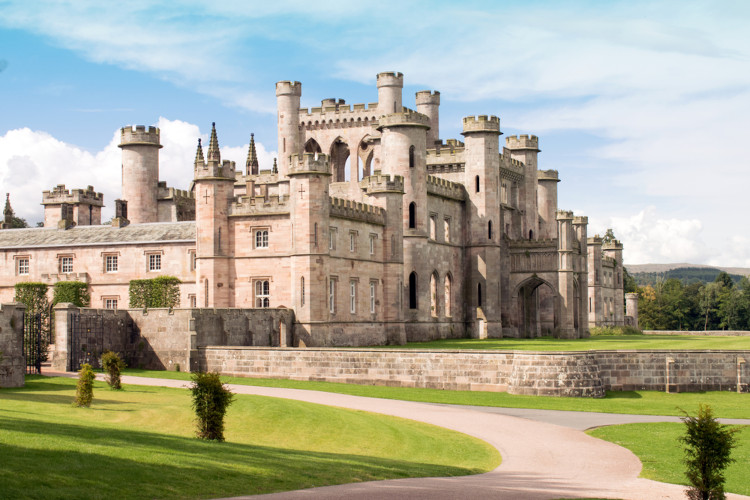
Castles were architectural marvels designed to defend, protect, and display power. They were complex structures, often with intricate defenses and a clear function as both a home and fortress. Today, many castles are historic landmarks, offering a glimpse into medieval life and the engineering prowess of the time.